Spanish Immigration Crisis Sparks Political Storm Fueled by Social Media
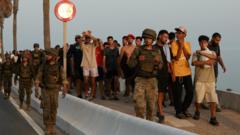
Tens of thousands of Moroccan migrants entered Spain's enclave of Ceuta, with at least 67 deaths reported. The majority have since been returned, but the incident has triggered a political storm across the European Union. Social media misinformation played a significant role in exacerbating the situation. The influx of migrants, primarily swimming and walking, into Ceuta, a Spanish territory on the North African coast, overwhelmed local resources and authorities. The crisis highlighted the complex challenges of managing irregular migration and border security within the EU. The political fallout has led to increased scrutiny of immigration policies and the role of neighboring countries in controlling migration flows. The spread of false information online amplified tensions and complicated efforts to address the humanitarian and political dimensions of the crisis.
The surge of migrants into Ceuta, resulting in significant loss of life and subsequent political repercussions across the EU, underscores the persistent challenges of irregular migration and border management. The role of social media in amplifying the crisis through misinformation points to a critical vulnerability in public discourse, potentially inflaming tensions and hindering effective policy responses. This event highlights the systemic pressures at the intersection of geopolitical stability, economic disparities, and humanitarian concerns. Future policy frameworks will need to address not only border security but also the underlying drivers of migration and the digital information ecosystem's impact on public perception and political stability.
AI-generated to prompt reflection — not editorial opinion, not advice, not a statement of fact. How this works.
