Spanish Judge Implicates Former Civil Guard Director in 'Leire Díez Case'
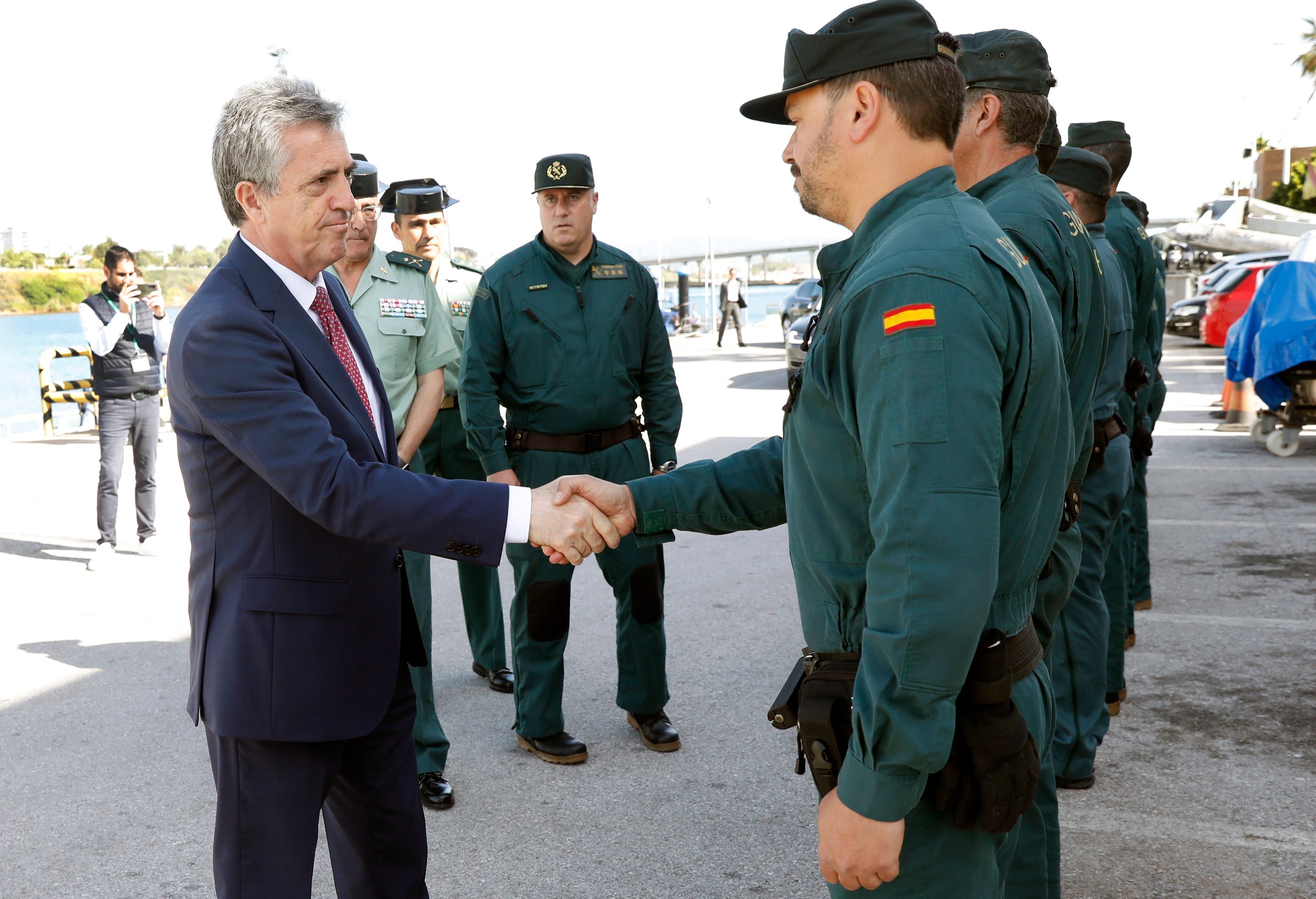
Investigating Judge Santiago Pedraz has formally implicated Leonardo Marcos, the former director of the Guardia Civil, in the 'Leire Díez case.' This judicial decision was made at the request of the popular prosecution, which is spearheaded by the Popular Party (PP). The case, named after Leire Díez, involves alleged irregularities that have now drawn the attention of the highest levels of the security forces. Marcos, who previously held a significant leadership position within Spain's national gendarmerie, is now subject to judicial scrutiny. The PP's popular prosecution has been actively pursuing this line of inquiry, pushing for Marcos's involvement to be investigated. This development marks a significant escalation in the 'Leire Díez case,' potentially impacting the reputation and future of the Guardia Civil. Further details regarding the specific allegations against Marcos are expected to emerge as the investigation progresses.
The imputation of a former high-ranking official like Leonardo Marcos in the 'Leire Díez case' highlights the judicial system's mechanisms for accountability, even within security institutions. The involvement of a political party, the PP, as the popular prosecution suggests a potential intersection of legal proceedings with political objectives. This situation raises questions about the independence of investigations and the potential for partisan influence in judicial processes. Examining the incentive structures that may lead to such imputations and the role of political oversight in law enforcement agencies is crucial for understanding the dynamics at play. The long-term implications could involve reforms aimed at strengthening institutional integrity and ensuring that investigations remain impartial, regardless of the political landscape or the seniority of the individuals involved.
AI-generated to prompt reflection — not editorial opinion, not advice, not a statement of fact. How this works.