Spanish Opposition Leader Criticizes Social Rights, Citing Sick Pay Disparity
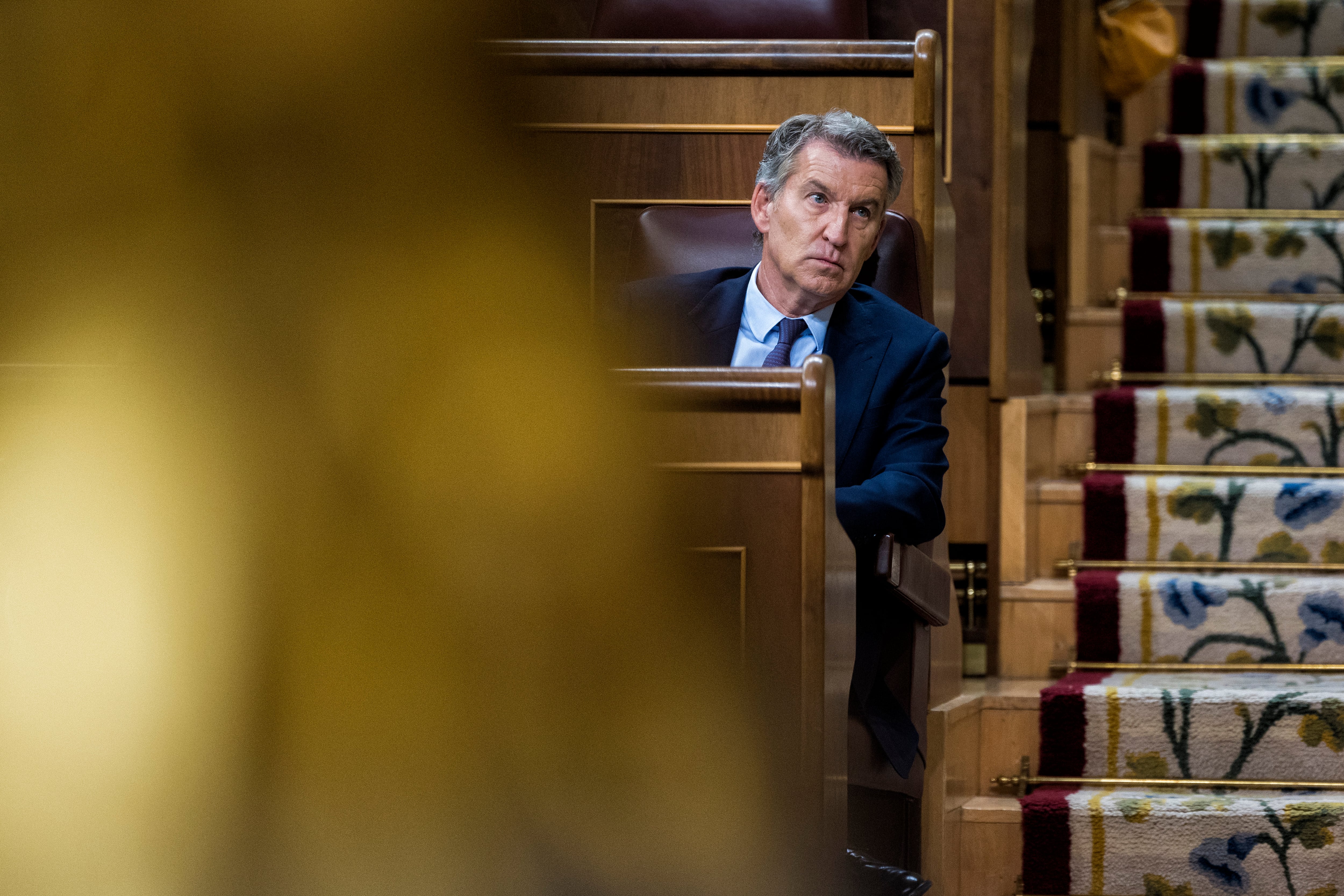
The leader of the People's Party (PP) in Spain has voiced strong criticism regarding the current social rights framework, specifically targeting the disparity in pay between employees who are on sick leave and those who are actively working. He expressed concern that workers on sick leave are receiving the same compensation as those who are present and performing their duties. The leader argued that this situation represents a fundamental right that requires defense, implying a need for reform or re-evaluation of the existing policies. The statement suggests a potential political debate over the balance between employee welfare and the economic implications of sick pay.
This statement highlights a potential tension between social welfare policies and economic incentives within Spain's labor system. The PP leader's critique of sick pay parity raises questions about the sustainability and fairness of current provisions, particularly from a fiscal perspective. Examining the underlying incentive structures is crucial: does the current system adequately balance support for ill workers with the productivity expectations of employers? Future considerations may involve exploring models that ensure robust social protection while mitigating potential abuses or economic strains, aligning with long-term societal and economic stability goals in an evolving labor market.
AI-generated to prompt reflection — not editorial opinion, not advice, not a statement of fact. How this works.