Spanish Opposition Leader Vows to Nationalize Madrid's Fetal Rights Law
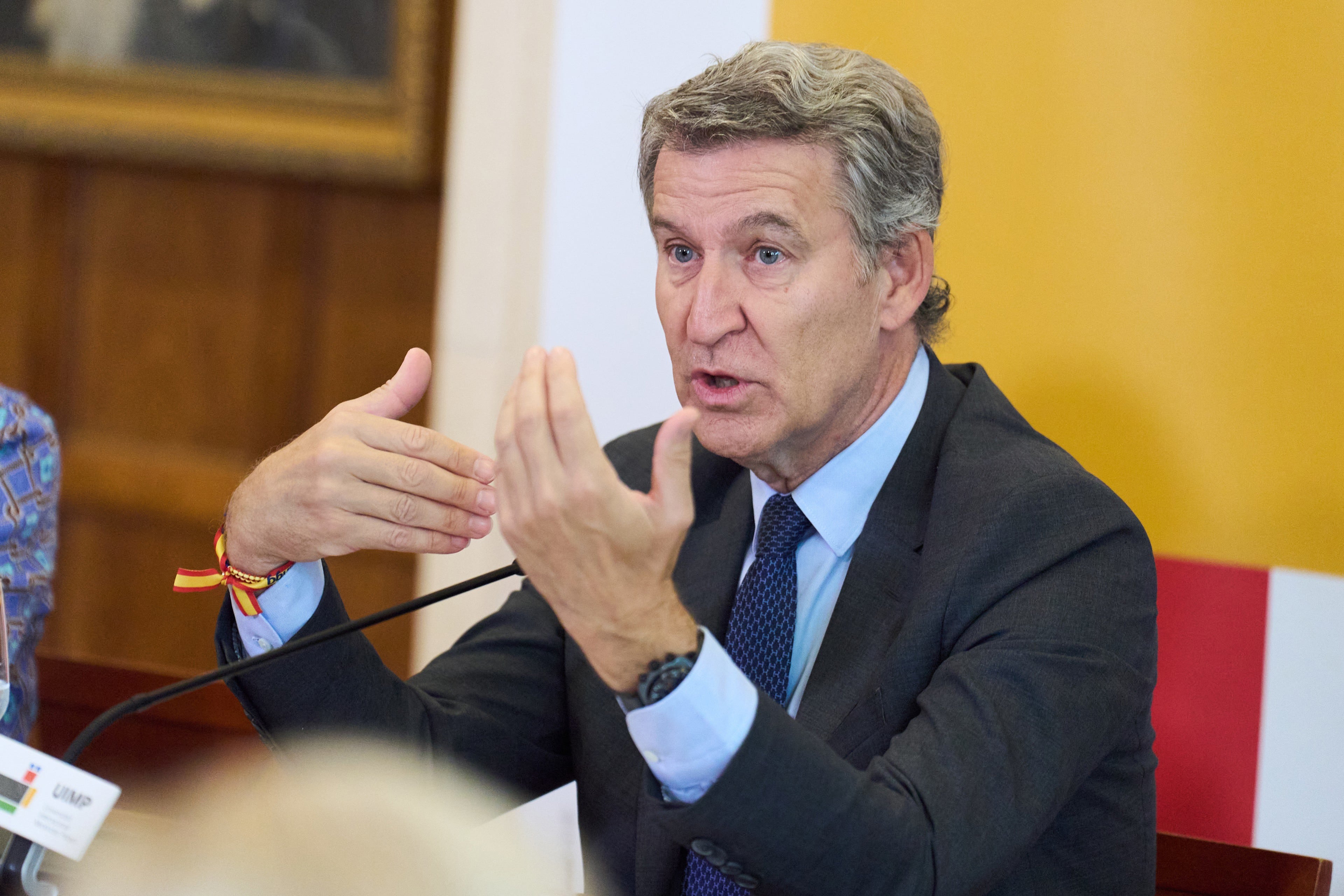
Alberto Núñez Feijóo, the leader of Spain's opposition People's Party (PP), has pledged to implement Madrid's "conceived but not yet born" law nationwide if his party wins the next general election. This regional legislation, championed by Madrid's regional president Isabel Díaz Ayuso, aims to recognize the embryo as a family member for administrative purposes, specifically concerning the allocation of public aid. The law's proponents argue it provides greater protection and support for unborn children and their families. However, the proposal has sparked significant debate across Spain, with critics raising concerns about its legal implications and potential impact on reproductive rights. The PP's national adoption of this policy would represent a significant shift in social policy at the federal level, potentially altering the landscape of family benefits and the legal status of embryos in public administration across the country.
The proposed nationalization of Madrid's "conceived but not yet born" law highlights a growing divergence in social policy approaches within Spain. This initiative, framed as enhancing support for families, introduces a novel legal status for embryos in administrative contexts, particularly for public aid eligibility. Such a policy shift could have far-reaching implications for social welfare systems and the broader legal recognition of fetal development. Evaluating this proposal requires considering its alignment with existing national legal frameworks, potential administrative complexities, and the long-term societal impact on family definitions and reproductive health policies. The debate underscores the evolving societal perspectives on the rights and protections afforded to embryos and the varying approaches regional governments are taking to address these complex ethical and legal questions.
AI-generated to prompt reflection — not editorial opinion, not advice, not a statement of fact. How this works.