Spanish Parties Seek Broader Probe into Ayuso's Partner's Tax Case
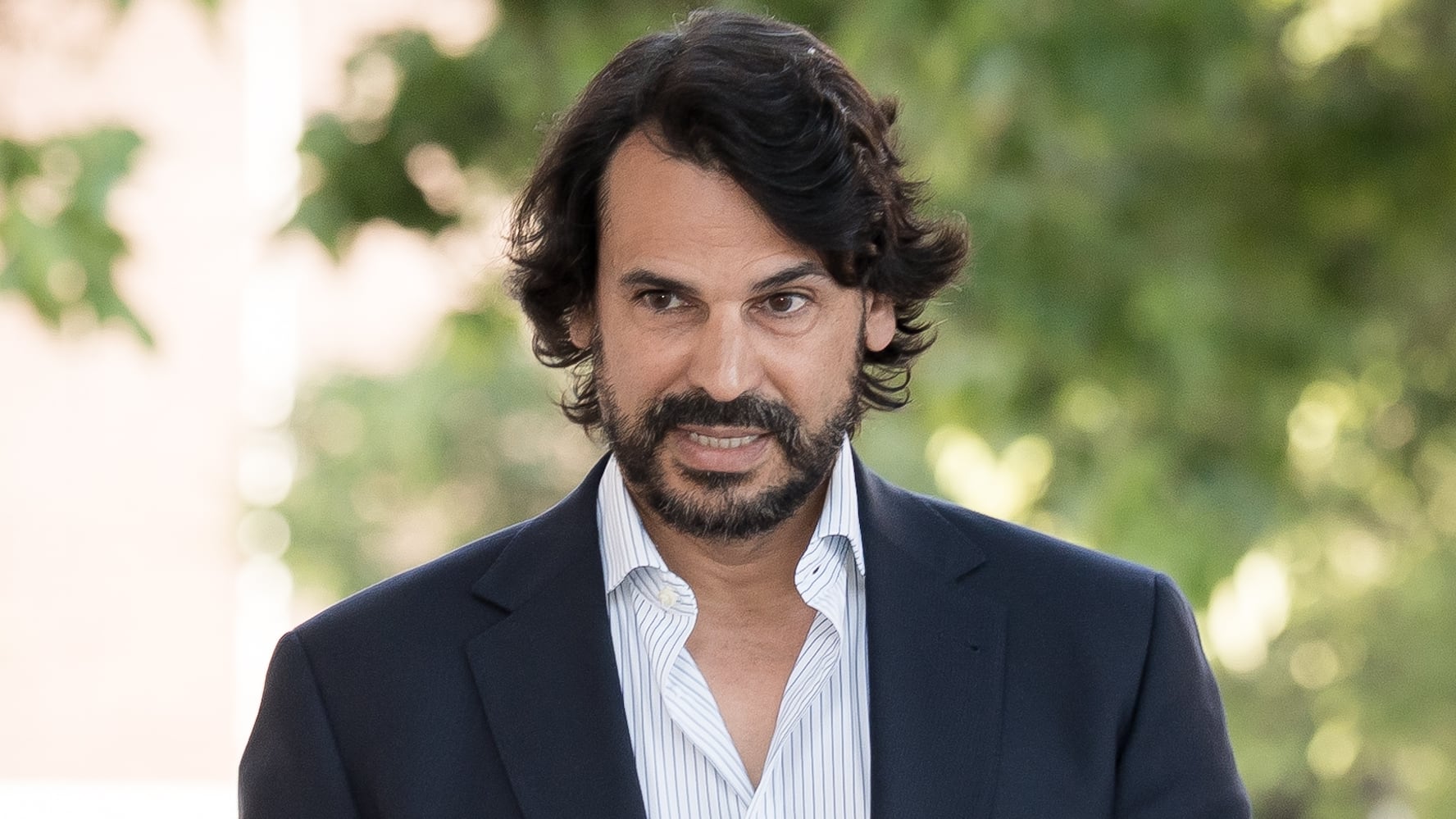
The PSOE and Más Madrid political parties are demanding an expansion of the investigation into the tax affairs of Alberto González Amador, the partner of Madrid's regional president, Isabel Díaz Ayuso. The parties specifically want to examine potential tax offenses identified by the Spanish Tax Agency (Agencia Tributaria). These offenses are linked to Quirón Prevención, the primary client of González Amador's consulting firm. The request extends to investigating the director of Quirón Prevención, Fernando Camino, and his wife. The initial investigation focuses on alleged tax fraud by González Amador concerning his professional services. PSOE and Más Madrid argue that the scope of the inquiry should encompass the financial dealings of Quirón Prevención to fully understand the context of the alleged irregularities. They believe a wider net is necessary to uncover any potential complicity or systemic issues within the client company. The parties are formally requesting judicial authorities to consider this broader scope in their ongoing proceedings.
This situation highlights the complex interplay between political scrutiny and corporate financial practices in Spain. The demand to broaden the investigation into Quirón Prevención and its leadership, beyond the primary individual under review, suggests a strategic political move to uncover potential systemic issues or broader patterns of financial impropriety. From a governance perspective, such expansions can either lead to a more comprehensive understanding of financial misconduct or risk overreach and politicization of tax enforcement. The incentive structure for political parties is often to maximize public pressure and demonstrate diligence, which can lead to calls for wider investigations. The challenge for the judiciary will be to maintain impartiality and focus on evidence, ensuring that any expansion is legally justified and not merely a political tactic. This case also underscores the increasing importance of transparency in business dealings, especially when they intersect with politically exposed individuals or their associates, a trend likely to intensify in the digital and AI era.
AI-generated to prompt reflection — not editorial opinion, not advice, not a statement of fact. How this works.