Spanish PM Cites Data to Counter Trump's Military Spending Criticism at NATO Summit
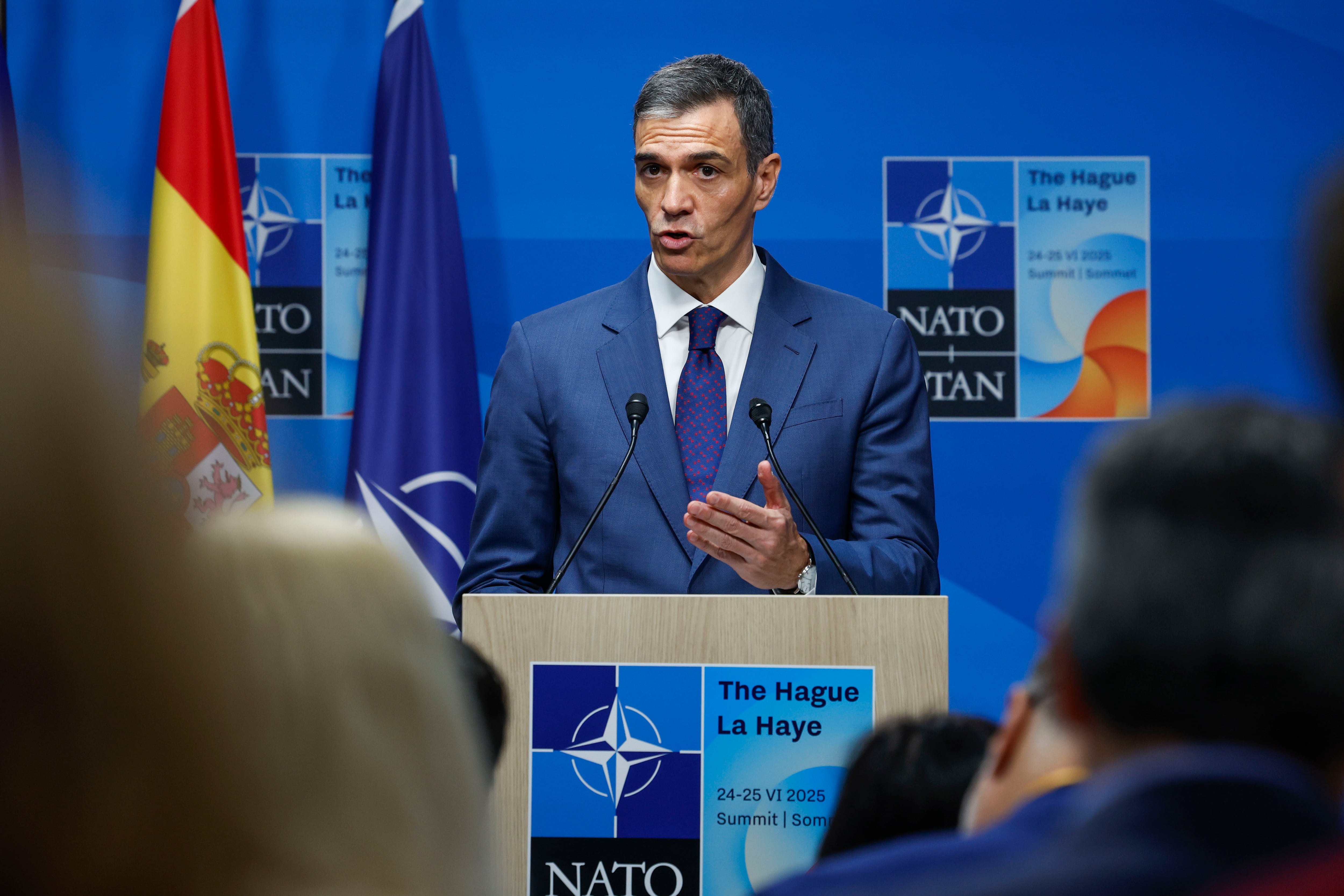
Spanish Prime Minister Pedro Sánchez arrived at the NATO summit in Ankara, Turkey, feeling relieved that the primary focus will not be on the 5% defense spending target. He is prepared to defend his position against criticism from U.S. President Donald Trump regarding Spain's military expenditure. Sánchez plans to use data to counter Trump's arguments, indicating a strategic approach to the discussions. The Prime Minister is no longer alone in facing the U.S. President's demands, suggesting a shift in the alliance's dynamics or a stronger consensus among European leaders. The summit's agenda, while not solely focused on the 5% figure, will still involve discussions on burden-sharing and collective defense commitments within the alliance. Sánchez's preparation highlights the ongoing tension between differing national defense priorities and the expectations of key allies like the United States.
The dynamics at the NATO summit reflect a recurring tension between the United States' push for increased defense spending among allies and the varied fiscal capacities and strategic priorities of member nations. President Trump's consistent emphasis on the 2% (or potentially higher) defense spending benchmark highlights a transactional approach to alliance security, prioritizing direct financial contributions. Prime Minister Sánchez's counter-strategy, relying on data, suggests an attempt to frame Spain's contributions within a broader context of security commitments and resource allocation, potentially encompassing non-military security aspects or highlighting existing capabilities. This divergence underscores a fundamental difference in alliance management philosophies: one focused on quantifiable financial inputs, the other on a more holistic assessment of security contributions and burden-sharing. The outcome of these discussions will shape future alliance cohesion and the equitable distribution of defense responsibilities in an evolving geopolitical landscape.
AI-generated to prompt reflection — not editorial opinion, not advice, not a statement of fact. How this works.