Spanish Scientists Propose Restoring Aral Sea to Capture Millions of Tons of CO2
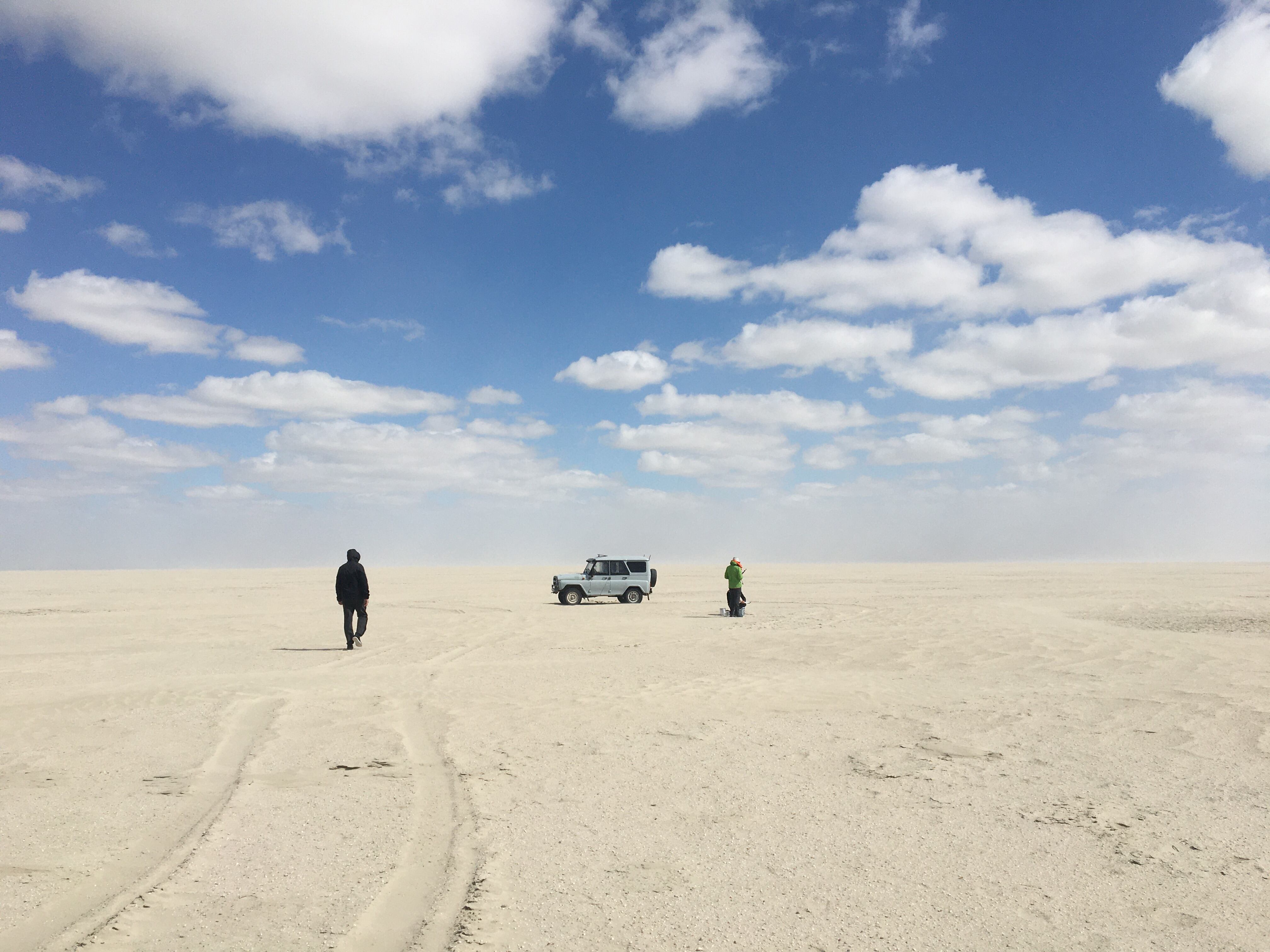
Spanish researchers have put forward a groundbreaking proposal to restore the Aral Sea, a plan detailed in the journal 'Science'. Their ambitious project aims not only to revive the desiccated ecosystem but also to mitigate climate change by preventing the release of millions of tons of carbon dioxide. The scientists suggest financing these extensive restoration efforts through carbon credits. This innovative approach seeks to leverage market mechanisms to fund environmental remediation on a massive scale. The Aral Sea, once the fourth-largest lake in the world, has drastically shrunk due to Soviet-era irrigation projects, leading to severe ecological and economic consequences for the surrounding region. The proposed restoration could potentially reverse some of these devastating impacts. By capturing and sequestering carbon, the project could offer a significant climate benefit, turning an environmental disaster into a climate solution. The researchers believe this model could serve as a precedent for other large-scale ecological restoration projects globally.
This proposal highlights a potential paradigm shift in environmental restoration, linking ecological recovery directly to climate finance. By framing the Aral Sea's restoration as a carbon sequestration project, Spanish scientists are seeking to unlock global climate funding mechanisms. This approach could incentivize large-scale environmental interventions by creating a direct financial return on ecological services. However, the long-term viability and effectiveness of such carbon credit-based funding for complex ecological systems warrant careful consideration. The success of this initiative will likely depend on robust scientific validation of carbon capture rates, transparent accounting of credits, and the equitable distribution of benefits to local communities impacted by the Aral Sea's degradation. This model also raises questions about prioritizing restoration efforts based on carbon market potential versus other critical ecological or social needs.
AI-generated to prompt reflection — not editorial opinion, not advice, not a statement of fact. How this works.