Spanish Supreme Court Judge Calls Mistrust in Judiciary a "Tragedy"
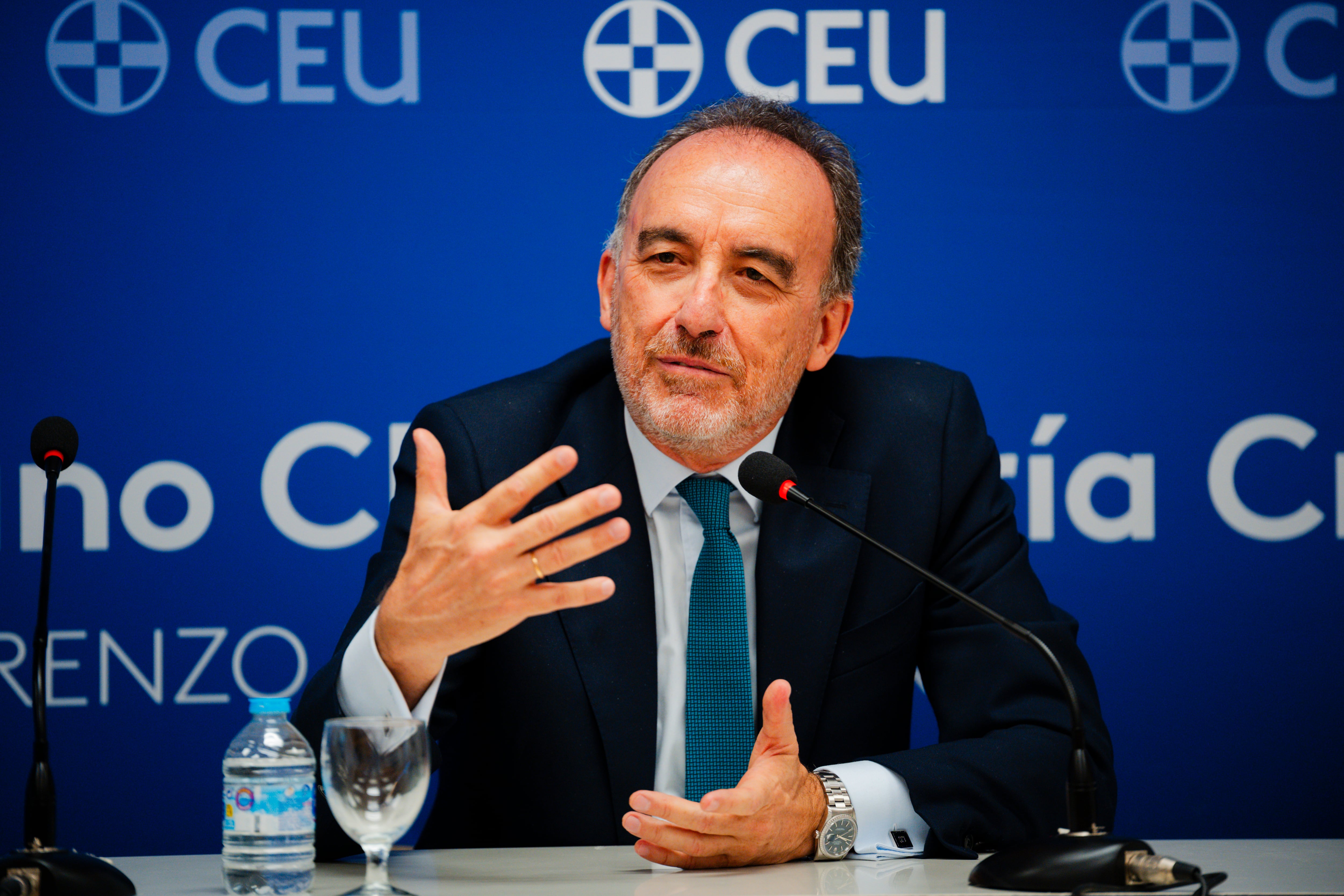
Manuel Marchena, a judge on Spain's Supreme Court, has described the lack of trust among Spaniards in their judiciary as a "tragedy." He made these remarks while defending a proposal to prevent political parties from exercising popular prosecution. Marchena argued that allowing political parties to engage in popular prosecution "politicizes justice." This stance suggests a concern that political involvement undermines the impartiality and integrity of the judicial system. The judge's comments highlight a perceived crisis of confidence in the judicial branch, which is crucial for the functioning of a democratic society. His proposal aims to shield the courts from partisan influence, ensuring that legal proceedings are based on merit rather than political agendas. The debate over the role of political parties in legal actions is ongoing, with implications for transparency and accountability within the justice system.
The assertion that public mistrust in the judiciary constitutes a "tragedy" suggests a significant disconnect between the judicial system and the populace it serves. Judge Marchena's proposed restriction on political parties participating in popular prosecution, framed as a measure to prevent the "politicization of justice," warrants careful consideration of its systemic implications. While intended to safeguard judicial impartiality, such measures could inadvertently reduce avenues for public oversight and accountability. The challenge lies in balancing the need for an independent judiciary with the public's right to access justice and scrutinize institutional actions. Future reforms should aim to enhance transparency and public engagement with the legal process, rather than solely focusing on limiting participation, to rebuild confidence in the long term.
AI-generated to prompt reflection — not editorial opinion, not advice, not a statement of fact. How this works.