Spatial Audio Enhances Flight Simulator Immersion
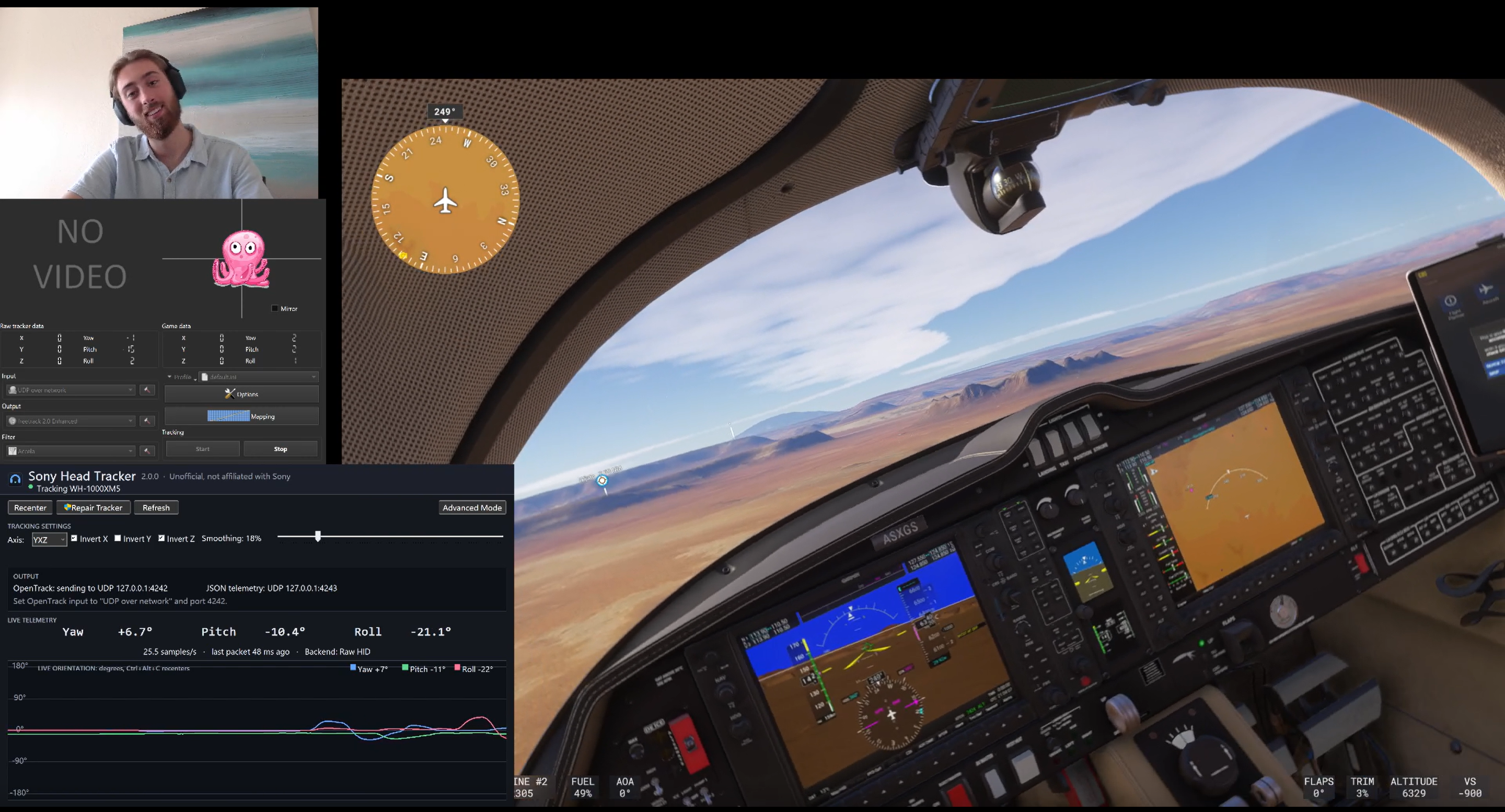
Flight simulators offer a deeply immersive experience, allowing players to feel as though they are in the pilot's seat. The integration of spatial audio technology further elevates this immersion by providing a more realistic soundscape. This advancement aims to enhance the player's sense of presence and positional awareness within the simulated environment. While racing simulators provide a significant thrill, flight simulators with spatial audio aim for a different, more profound sense of engagement. The technology allows sounds to be perceived from specific directions and distances, mimicking how humans hear in the real world. This can include the roar of engines, the chatter of air traffic control, and environmental sounds, all contributing to a more believable and captivating simulation. The goal is to create a virtual experience that closely replicates the auditory cues crucial for piloting, thereby deepening the connection between the player and the simulation.
The incorporation of spatial audio into flight simulators represents a logical progression in leveraging emerging technologies to deepen user engagement. By simulating the directional and spatial characteristics of sound, developers are enhancing the fidelity of the virtual environment. This approach aligns with broader trends in the gaming and simulation industries, where advancements in sensory feedback are prioritized to create more compelling experiences. From a systems perspective, this enhancement addresses the limitations of traditional stereo sound, providing a more intuitive and realistic auditory input that can potentially improve player performance and immersion. The focus on realistic sound reproduction suggests a continued drive towards greater verisimilitude in digital simulations, preparing users for increasingly complex virtual interactions.
AI-generated to prompt reflection — not editorial opinion, not advice, not a statement of fact. How this works.