SPD's Miersch Sees No Reason for Personnel Changes Amidst Party Unrest
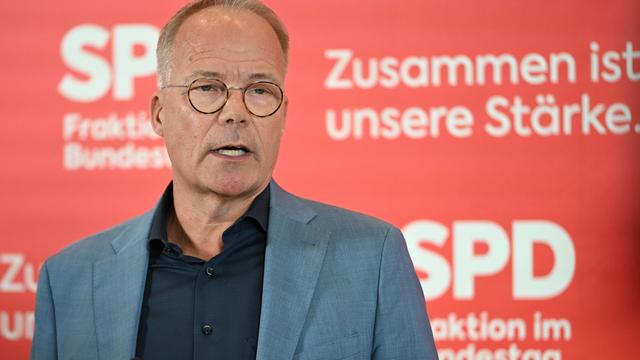
Amidst internal party unrest, Sascha Miersch, a member of the Social Democratic Party (SPD) in Germany, has stated that he sees no justification for personnel changes within the party. The current situation within the SPD has led to discussions and calls for potential shifts in leadership or key positions. However, Miersch's stance suggests a belief that the existing team is capable of navigating the challenges the party faces. This perspective implies a focus on policy or strategy rather than a change in individuals to address the current disquiet. The party is reportedly experiencing internal friction, prompting Miersch's public declaration to maintain stability. His comments indicate a desire to avoid further disruption and instead concentrate on the party's broader objectives. The specific nature of the unrest and the exact reasons for Miersch's opposition to personnel changes remain detailed within the party's internal discourse. His statement serves as a clear signal against immediate leadership reshuffles, emphasizing continuity.
The statement from Sascha Miersch reflects a common political strategy of advocating for stability and continuity during periods of internal dissent. This approach prioritizes the existing leadership's perceived ability to manage challenges, potentially as a means to prevent further fragmentation or capitalize on established policy directions. However, such a stance may overlook underlying issues contributing to the unrest, which could stem from voter dissatisfaction, policy disagreements, or leadership effectiveness concerns. In the context of evolving political landscapes and increasing public demand for accountability, parties that resist necessary personnel or strategic adjustments risk alienating their base and diminishing their long-term electoral prospects. The tension between maintaining stability and addressing substantive grievances will be a critical factor in the SPD's future trajectory.
AI-generated to prompt reflection — not editorial opinion, not advice, not a statement of fact. How this works.