SPDM Expresses Sole Interest in Emergency Management of Taubaté Municipal Hospital
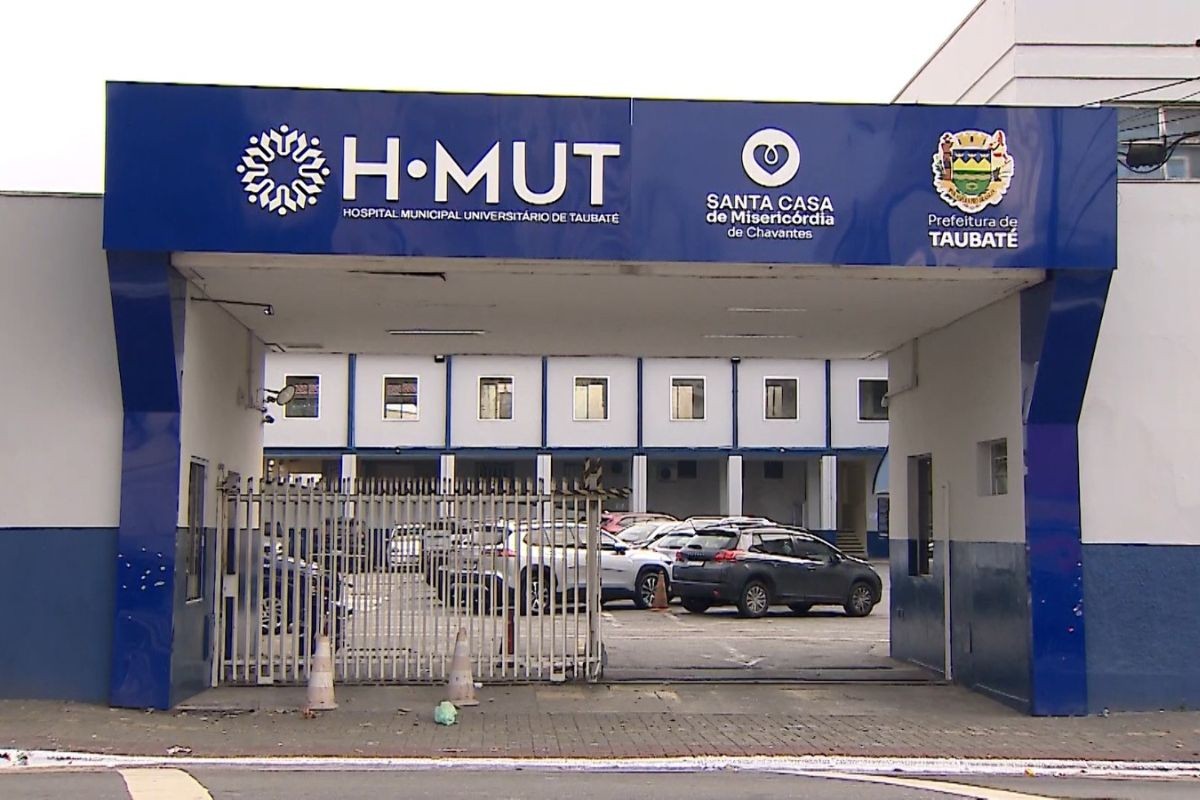
The Paulista Association for the Development of Medicine (SPDM) has emerged as the sole organization interested in the emergency and temporary management of the Municipal University Hospital of Taubaté (Hmut). This announcement was made by the Taubaté City Hall on Friday, November 17th. Two other entities, the Center for Studies and Research Dr. João Amorim (Cejam) and the Social Service of the Civil Construction of the State of São Paulo (Seconci-SP), were invited but withdrew from submitting proposals. Consequently, SPDM remains the only contender in the emergency process initiated by the city hall to ensure the hospital's administration starting August 1st. This interim measure will be in place while a public tender to determine the hospital's permanent management is finalized. The municipal administration will now review SPDM's technical documentation and work plan to ensure it meets the required qualifications. SPDM was selected based on its ranking among the top ten national public hospital management organizations by the Brazilian Institute of Health Social Organizations (Ibross) and its active qualification to operate in Taubaté. Notably, SPDM previously managed the Hmut from 2019 to 2024, a contract that ended due to a dispute over an alleged R$30 million debt from the city hall, leading SPDM to take legal action. The city hall states this emergency contract is intended to facilitate a smooth and uninterrupted transition of services to the public until a permanent management solution is established.
The situation at Hmut highlights the challenges in public hospital management, particularly concerning transitions and financial stability. The sole bid from SPDM, an entity with prior experience and a contentious exit from managing the hospital, raises questions about the attractiveness of public health contracts and the effectiveness of the procurement process. This scenario underscores the need for transparent and competitive bidding to ensure optimal resource allocation and service delivery. Future public health governance models may need to address incentive structures for potential bidders and mechanisms for resolving financial disputes to prevent service disruptions and maintain public trust.
AI-generated to prompt reflection — not editorial opinion, not advice, not a statement of fact. How this works.