Special Court Questions Government's Intent in Detaining UML Leader
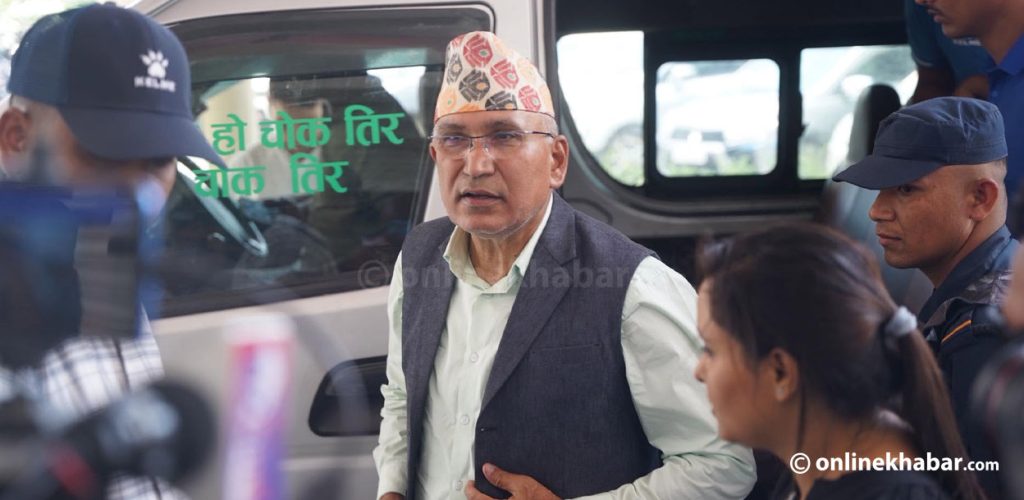
Nepal's Special Court has raised serious questions about the government's intentions regarding the detention of CPN-UML leader Bishnu Poudel. The court's inquiry stems from the arrest and detention of Poudel without sufficient evidence. This action by the Special Court highlights a potential disregard for due process and the requirement of substantial proof before depriving an individual of their liberty. The court's intervention suggests a critical examination of the government's motives and the legal basis for its actions against political figures. The situation underscores the importance of judicial oversight in ensuring that executive powers are exercised within legal and constitutional boundaries. The Special Court's stance serves as a check on potential governmental overreach and reinforces the principle that all citizens are subject to the rule of law, regardless of their political affiliation.
The Special Court's intervention in the detention of Bishnu Poudel, citing a lack of evidence, points to a potential systemic issue in Nepal's law enforcement and judicial processes. This situation raises questions about the incentives driving pre-trial detention and the robustness of evidence standards employed by investigative bodies. In the context of evolving governance, such actions could erode public trust in state institutions and create a chilling effect on political discourse. Future governance frameworks may need to incorporate stronger accountability mechanisms to ensure that detentions are based on concrete evidence, thereby safeguarding individual liberties and maintaining the integrity of the legal system against potential political manipulation.
AI-generated to prompt reflection — not editorial opinion, not advice, not a statement of fact. How this works.