Special Fraud Losses Hit Record $1.2 Billion in First Half of Year
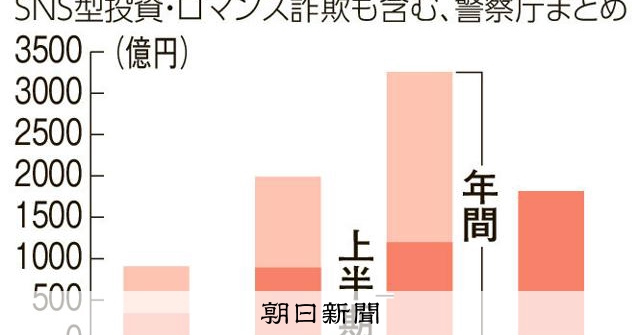
Japan experienced its worst-ever first-half losses from special fraud, reaching a staggering 181.6 billion yen (approximately $1.2 billion USD) between January and June. This figure represents a significant increase and highlights a concerning trend in fraudulent activities. A particularly alarming development is the rise of "SNS-type investment" scams, which now account for over 40% of all special fraud damages. These scams often leverage social media platforms to lure victims into fraudulent investment schemes. The total number of victims and the average loss per victim have also seen an increase, although specific figures were not provided in the original report. Authorities are urging the public to exercise extreme caution, especially when encountering investment opportunities promoted online. The National Police Agency has reported a sharp rise in these types of scams, emphasizing the need for enhanced awareness and preventative measures. The sophistication of these schemes, often involving fake trading platforms and promises of high returns, makes them particularly dangerous. The government is reportedly considering new measures to combat this growing threat.
The surge in special fraud losses, particularly those attributed to SNS-based investment scams, indicates a critical vulnerability in public financial literacy and digital security awareness. The increasing reliance on social media for financial information and opportunities, coupled with sophisticated deception tactics, creates fertile ground for these predatory schemes. This trend underscores a systemic challenge: how to effectively regulate online platforms and educate a diverse population against evolving digital threats. Future strategies must balance rapid technological adoption with robust consumer protection mechanisms, potentially involving enhanced platform accountability and proactive educational campaigns. The long-term implications involve not only direct financial harm but also erosion of trust in digital financial ecosystems.
AI-generated to prompt reflection — not editorial opinion, not advice, not a statement of fact. How this works.