Species' survival tactics failing against human impact, Red List reveals
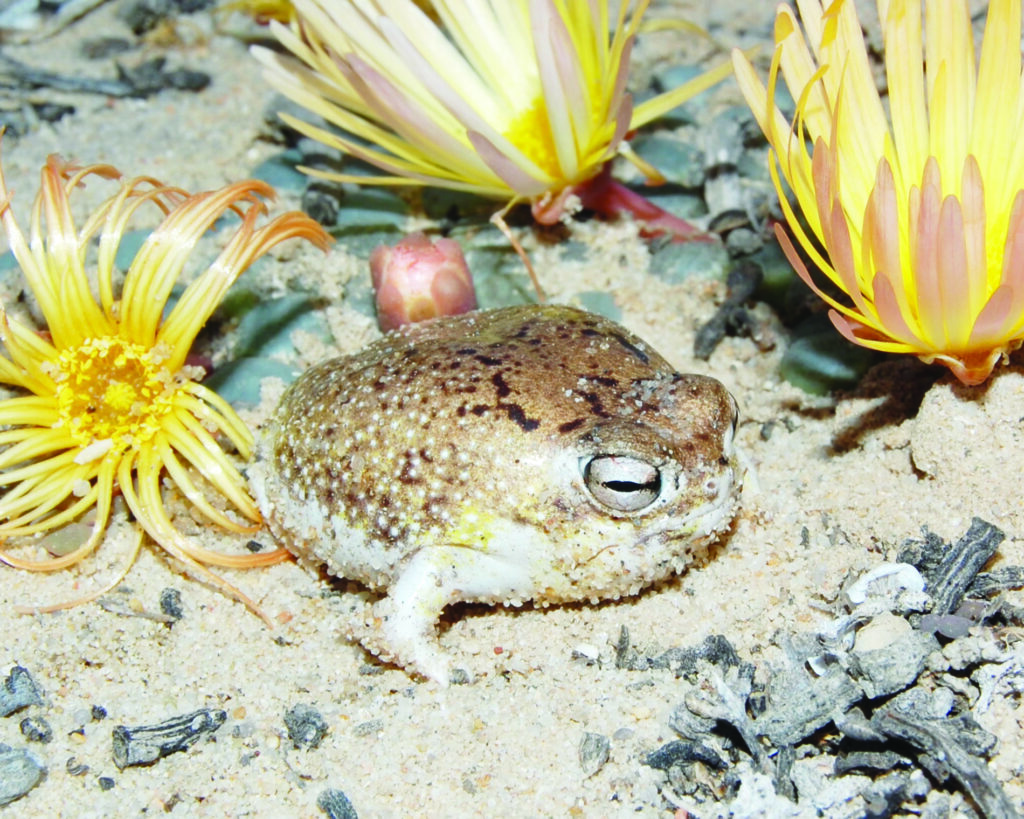
The latest Red List of endangered species highlights that the remarkable survival strategies evolved by life on Earth are increasingly insufficient to counteract the destructive impact of human activities. Organisms, from marine life in extreme environments to terrestrial species, are facing unprecedented threats. For instance, many species of snails, limpets, and clams have adapted to survive under immense pressure at deep-sea hydrothermal vents, enduring extreme temperatures. However, these specialized adaptations are proving inadequate against the growing pressures imposed by human actions. The report underscores a global trend where biodiversity is diminishing despite the inherent resilience and ingenuity of life itself. This situation points to a critical imbalance between the natural world's capacity to adapt and the accelerating pace of human-induced environmental change. The findings serve as a stark warning about the ongoing biodiversity crisis and the urgent need for conservation efforts.
The Red List's findings illustrate a critical divergence between evolutionary adaptation and the rapid pace of anthropogenic environmental change. While species possess remarkable resilience mechanisms honed over millennia, these strategies are being outpaced by human-driven pressures such as habitat destruction, pollution, and climate change. This dynamic suggests that conservation efforts may need to shift from solely protecting existing species' habitats to more proactive interventions that mitigate human impact directly. The challenge lies in aligning global economic and development activities with ecological sustainability, recognizing that the long-term viability of both human societies and the natural world depends on addressing these systemic imbalances.
AI-generated to prompt reflection — not editorial opinion, not advice, not a statement of fact. How this works.