Speedboat Capsizes Off Vietnam Coast, Killing 15 Indian Tourists
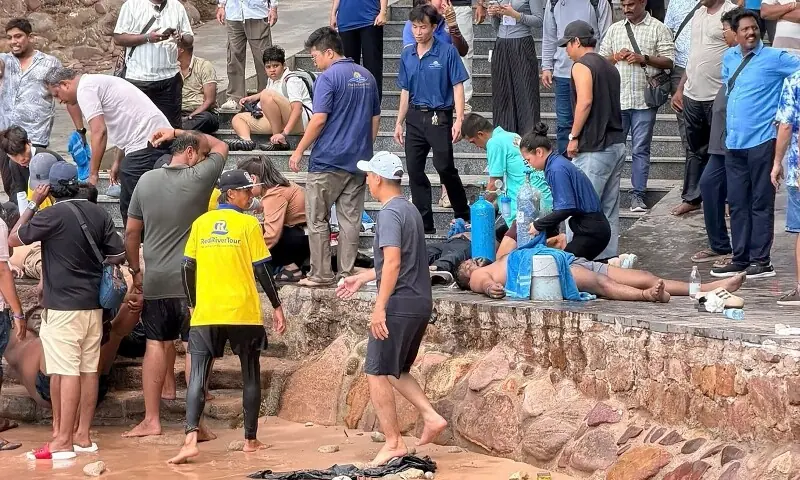
A tragic speedboat accident off the coast of southern Vietnam's Phu Quoc island on Saturday resulted in the deaths of at least 15 Indian tourists. The vessel was carrying 36 people when it capsized approximately 400 meters from May Rut Ngoai islet. A significant rescue operation involving tourist and coast guard boats managed to save some individuals from the water. Local police reported that 21 people were taken to a hospital for emergency treatment, with two in critical condition. India's embassy in Vietnam confirmed the presence of "several Indian tourists" on board and is working to ascertain the exact details of the incident. Provincial official Nguyen Tien Hai stated that authorities are still confirming the precise number of survivors. Initial assessments suggest that strong winds and high waves may have caused the speedboat to overturn. May Rut Ngoai islet, a popular destination known for its clear waters and diving spots, is typically accessed by speedboat from Phu Quoc island. Phu Quoc has experienced a substantial tourism increase, welcoming over 1.8 million foreign visitors last year. Boating accidents are a recurring issue in Vietnam, often attributed to severe weather, flooding, and insufficient vessel maintenance, leading to frequent fatalities.
This incident highlights the inherent risks associated with maritime tourism, particularly in regions prone to extreme weather. The frequency of such accidents in Vietnam suggests systemic challenges in maritime safety regulations, enforcement, and infrastructure maintenance, potentially exacerbated by rapid tourism growth. Future mitigation efforts should focus on enhancing weather forecasting integration, enforcing stricter vessel maintenance standards, and improving emergency response protocols to safeguard against predictable environmental hazards and operational failures. The economic imperative of tourism must be balanced with robust public safety measures to prevent future tragedies.
AI-generated to prompt reflection — not editorial opinion, not advice, not a statement of fact. How this works.