Spicy Foods in Szeged: BYD Factory Workers Reshape Local Chinese Businesses
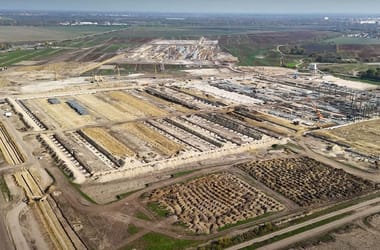
The arrival of workers for the new BYD factory in Szeged, Hungary, has significantly altered the business landscape for local Chinese enterprises. These new residents, accustomed to different culinary preferences, have spurred a demand for more varied and, in particular, spicier food options. This shift has prompted local Chinese restaurants and food businesses to adapt their menus and offerings to cater to the tastes of the BYD workforce.
An expert suggests that while new economic environments may emerge, they will not necessarily come at the expense of existing businesses. This implies that the changes brought about by the BYD factory workers could lead to an evolution and diversification of the local economy, rather than a direct displacement of established enterprises. The adaptation of Chinese businesses in Szeged serves as an example of how demographic shifts can influence and reshape local commerce.
The integration of a large, foreign workforce into a local economy often necessitates adjustments in consumer services, as seen with Chinese businesses in Szeged adapting to the preferences of BYD factory workers. This dynamic highlights the interplay between demographic shifts and market responsiveness. While such changes can create new opportunities and drive innovation in local commerce, they also present challenges for existing businesses to adapt their models. The long-term economic impact will depend on the sustainability of these adaptations and the broader integration strategies employed by the community and businesses alike, ensuring that growth benefits all stakeholders and avoids creating new economic divides.
AI-generated to prompt reflection — not editorial opinion, not advice, not a statement of fact. How this works.