Spider Veins: More Than Just a Cosmetic Issue, Experts Say
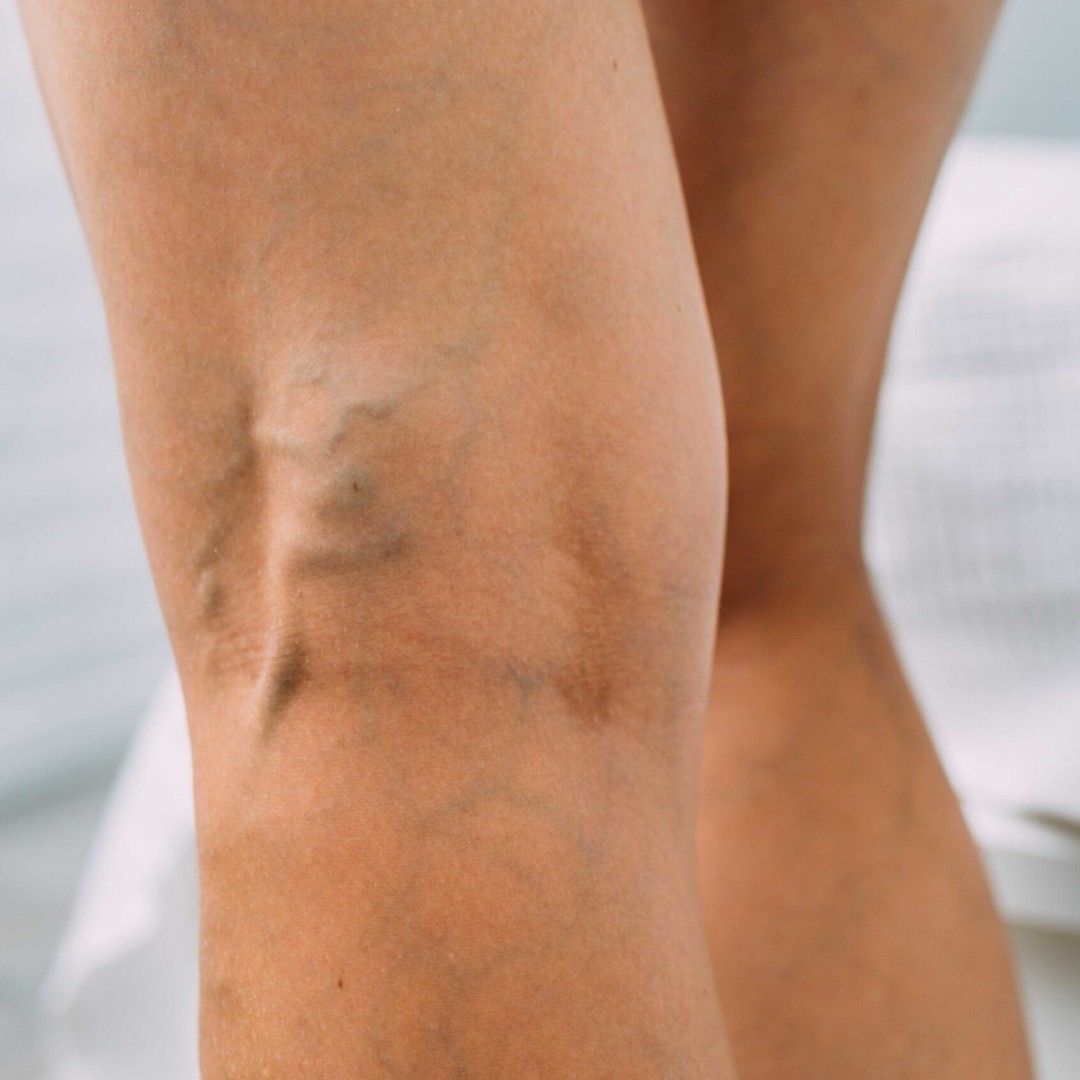
Spider veins, often dismissed as a purely aesthetic concern, are frequently undertreated because of this misconception, according to vascular specialists. This simplification leads to treatments that address only the visible symptom, resulting in recurrence. In most cases, these fine veins on the skin are superficial signs of an underlying venous network imbalance. Deeper 'feeder' veins malfunction, directing blood to the visible spider veins. This dysfunction is a genuine venous disease, even without noticeable symptoms. Sometimes, spider veins are linked to larger reflux issues in veins like the saphenous vein, which require ultrasound for detection. Treating spider veins as isolated cosmetic events, without mapping or investigating the root cause, means treating only the symptom. While chemical sclerotherapy might temporarily remove the vein, it often returns within six months, or a new one appears, fed by the same undetected feeder vein. A proper vascular approach prioritizes mapping using tools like Doppler ultrasound and VeinViewer to identify feeder veins and plan treatment accordingly. Addressing feeder veins first, when indicated, offers a better chance for lasting results for visible spider veins. The "cosmetic only" approach also overlooks clinical symptoms like leg heaviness, fatigue, tingling, or subtle swelling, which can be early signs of chronic venous insufficiency. Treating these early stages is preventative healthcare, while later treatment corrects more advanced conditions. Therefore, treating varicose veins, including spider veins, is fundamentally a health issue, not just vanity. LYS Clínica Vascular in Divinópolis, Minas Gerais, employs this comprehensive mapping approach, led by Dr. Carlo Rachid Dellaretti, serving patients across the Central-West region of Minas Gerais.
The article highlights a common public perception that minor vascular issues are solely cosmetic, leading to inadequate treatment and recurrence. This perspective overlooks the underlying physiological dysfunction and potential health implications of venous insufficiency. A comprehensive diagnostic approach, incorporating advanced imaging, is presented as crucial for effective, long-term management. This emphasizes a shift from symptomatic relief to addressing root causes, aligning with a public health perspective on chronic conditions. Future advancements in non-invasive diagnostics and minimally invasive treatments could further enhance patient outcomes and reduce the cycle of recurrence, reinforcing the importance of evidence-based medical practice over superficial aesthetic considerations.
AI-generated to prompt reflection — not editorial opinion, not advice, not a statement of fact. How this works.