Spin Qubits Show Significant Progress in Quantum Computing Race
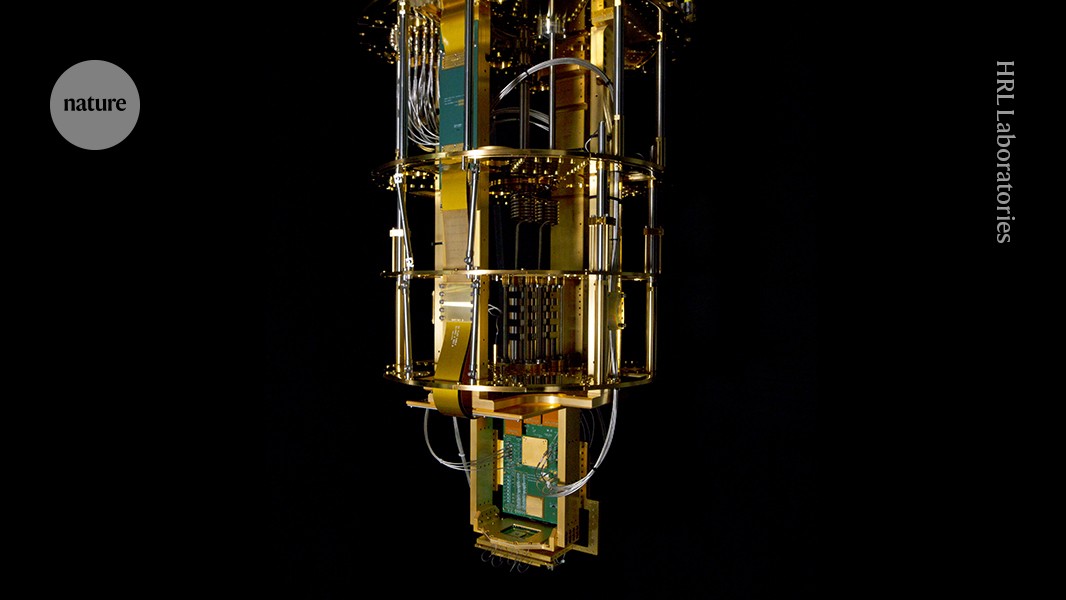
Researchers have achieved a notable advancement in the development of spin qubits, a promising technology for building a functional quantum computer. These spin qubits, often considered underdogs in the quantum computing landscape, have demonstrated significant leaps forward, potentially closing the gap with more established qubit technologies.
The progress signifies a crucial step towards realizing the potential of quantum computation, which could revolutionize fields like medicine, materials science, and artificial intelligence. While the path to a large-scale, fault-tolerant quantum computer remains challenging, this development injects renewed optimism into the pursuit of this transformative technology. The specific details of the advancement, such as increased coherence times or improved error correction capabilities, are key indicators of their growing viability.
The advancement in spin qubit technology highlights the diverse and competitive nature of quantum computing research. While silicon-based quantum computing has garnered significant attention, the progress in spin qubits demonstrates that alternative approaches continue to mature. This competition is beneficial, as it accelerates innovation and explores different pathways to overcome the inherent challenges of quantum decoherence and scalability. The long-term implications depend on whether spin qubits can achieve the necessary fidelity and scale to outperform classical computers for commercially relevant problems, a hurdle that all quantum computing modalities must eventually clear.
AI-generated to prompt reflection — not editorial opinion, not advice, not a statement of fact. How this works.