Sports Broadcaster Luís Roberto Details Cancer Treatment and Expresses Gratitude
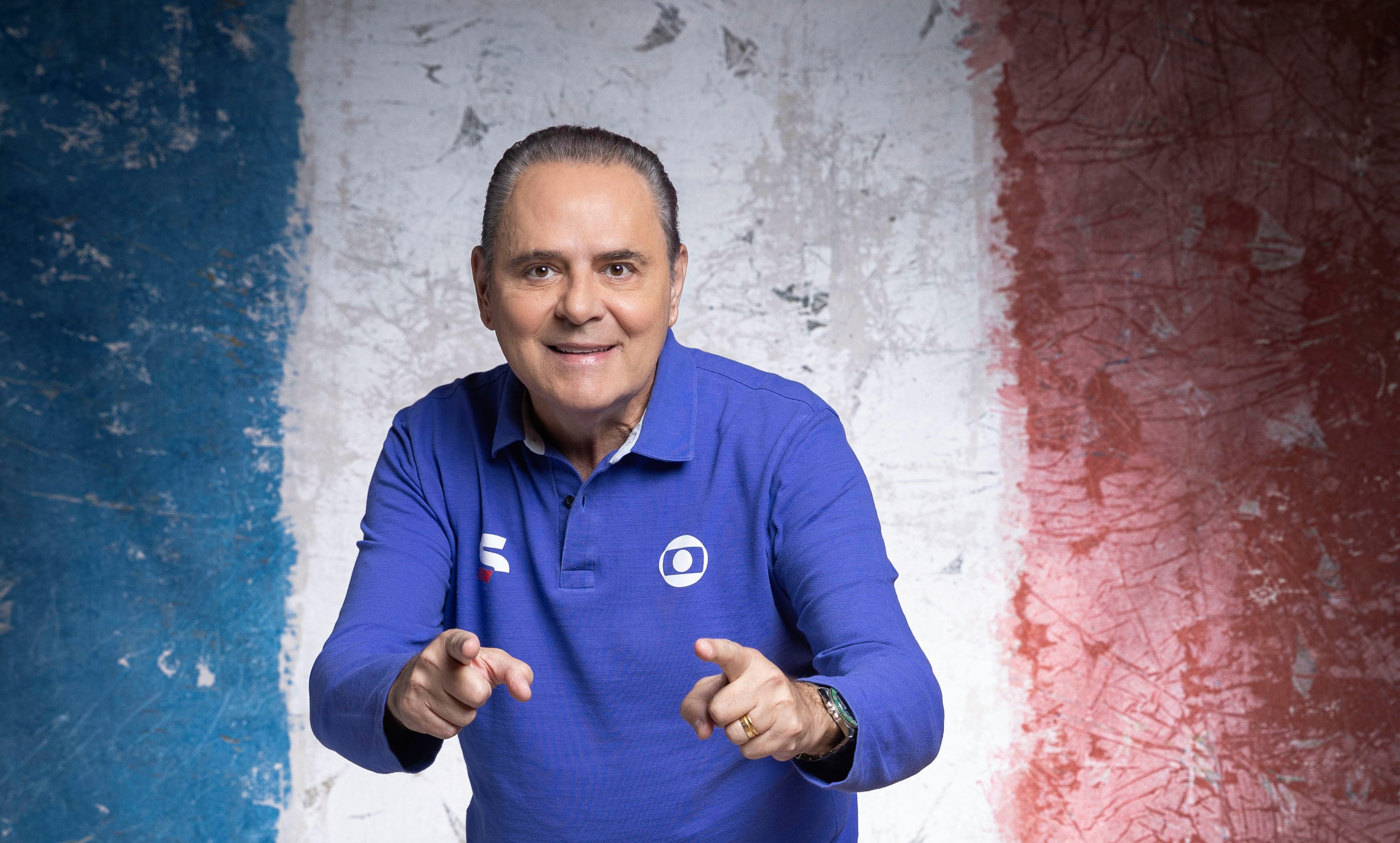
Brazilian sports journalist Luís Roberto recently shared details about his ongoing battle with cancer on the "Domingão com Huck" program. He revealed that his cervical cancer diagnosis occurred just two months before the World Cup, necessitating his withdrawal from covering the event. In early April, Roberto announced a temporary leave from sports broadcasts to focus on medical treatment.
Roberto explained that his treatment has spanned the last two months, involving 33 sessions of radiotherapy and seven of chemotherapy. He described the shock of discovering his diagnosis during a routine examination and the intensity of the treatment. The broadcaster expressed profound gratitude for the outpouring of support from friends, family, and thousands of individuals who have provided him with mental strength.
"Gratitude is a word we sometimes trivialize, but at this moment in my life, and on such a special day with the national team playing a World Cup qualifier, I need to say that gratitude moves me," Roberto stated. He concluded by emphasizing the critical role of psychological preparedness and mental strength throughout the medical journey, noting, "It is important that everyone is prepared to be strong, because mental health counts."
This account highlights the personal impact of a serious health diagnosis on a public figure, emphasizing the importance of support systems and mental fortitude during medical treatment. The narrative underscores the potential for routine screenings to detect significant health issues, prompting a reevaluation of personal and professional priorities. In the context of an increasingly health-aware society, particularly with advancements in medical technology and a growing focus on preventative care, individuals facing such challenges often find strength in community and shared experience. The journalist's emphasis on gratitude and mental preparation offers a perspective on resilience, suggesting that psychological well-being is a crucial component of recovery alongside medical intervention. This experience also serves as a reminder of the vulnerability inherent in life, regardless of public profile, and the universal need for empathy and support.
AI-generated to prompt reflection — not editorial opinion, not advice, not a statement of fact. How this works.