Sports Doctor Explains Risks of "Hydration Breaks" Introduced in 2026 World Cup
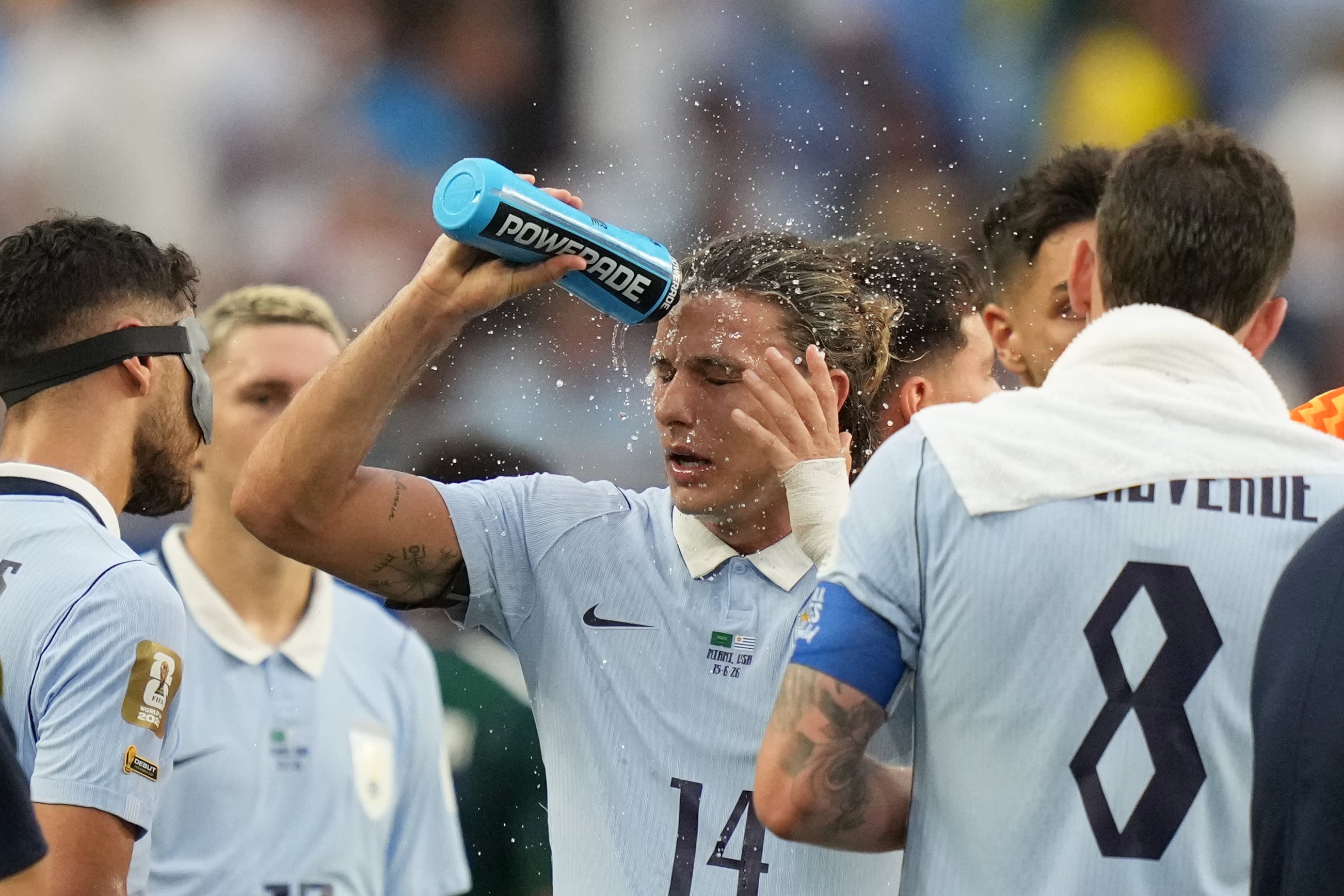
Jorge Franchella, a sports physician, has detailed the physiological impact of climate protocols in football, specifically addressing the "hydration breaks" that will be incorporated into the 2026 World Cup. Speaking with LN+, Franchella analyzed how these measures affect athletes. He cautioned that the sudden thermal changes experienced during these breaks pose significant dangers. The new protocols are designed to mitigate the effects of extreme heat on players during matches. However, Franchella highlighted potential risks associated with the rapid shifts in body temperature that occur when players leave the field for these breaks and then return to play. His insights focus on the scientific and medical considerations surrounding player welfare in the context of increasingly challenging environmental conditions for sporting events.
The introduction of "hydration breaks" in the 2026 World Cup reflects a growing awareness of the physiological stresses imposed by climate change on athletes. While intended to safeguard player health, the potential for "sudden thermal changes" raises questions about the efficacy and unintended consequences of such interventions. This situation highlights a systemic challenge for international sports governance: balancing the demands of global competition with evolving environmental realities and scientific understanding. Future iterations of such protocols will likely require more sophisticated modeling of thermoregulation and acclimatization, considering not just immediate hydration needs but also the body's response to rapid environmental shifts. The long-term sustainability of major sporting events may depend on proactive adaptation to climate impacts, potentially influencing venue selection, scheduling, and even the fundamental rules of play.
AI-generated to prompt reflection — not editorial opinion, not advice, not a statement of fact. How this works.