Spotify's Release Radar Enhances Music Recommendations with New Personalization Features
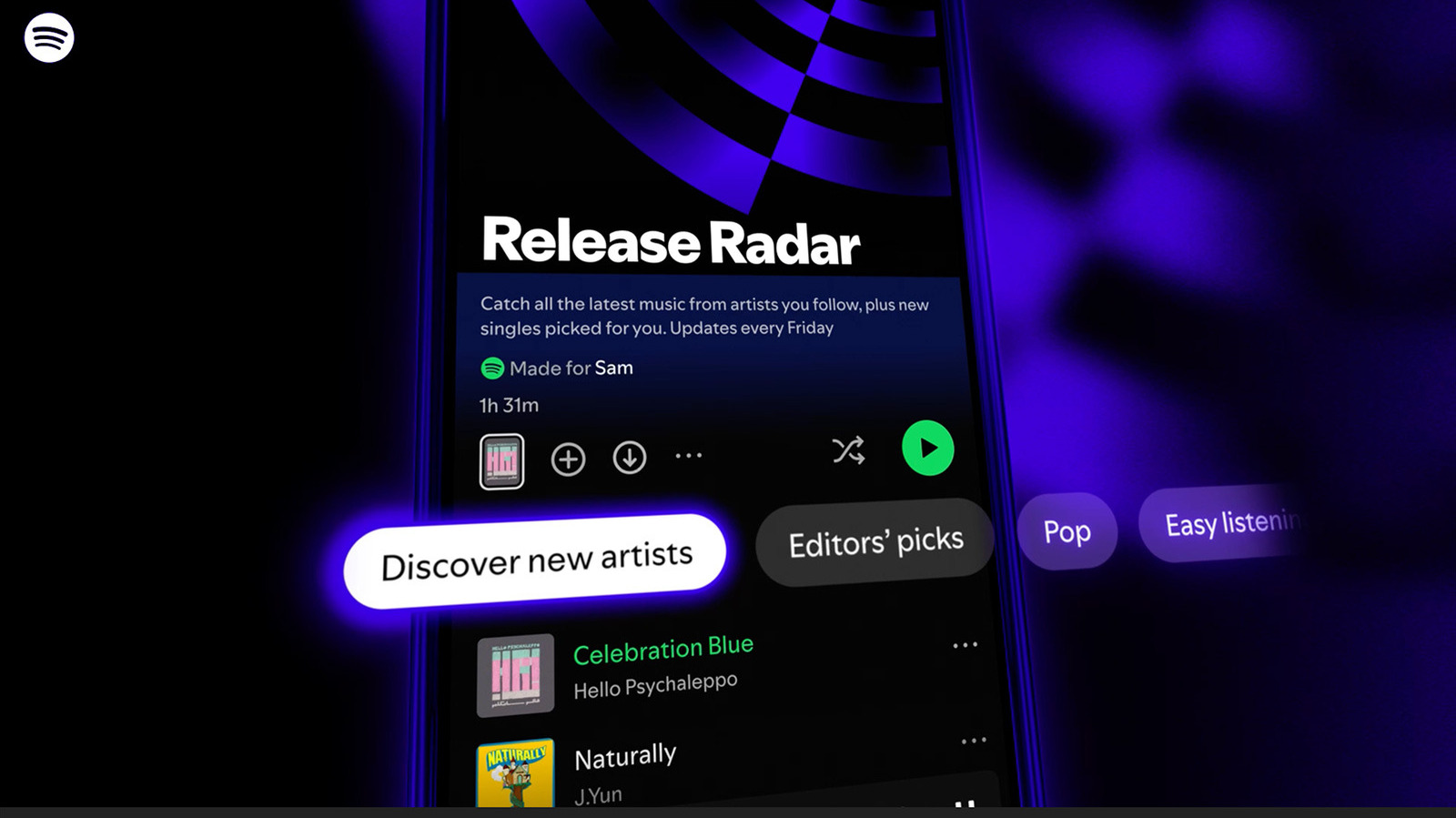
Spotify has introduced new personalization options for its Release Radar feature, aiming to provide users with more tailored music recommendations. This update allows the platform to better understand individual listening habits and preferences. Release Radar is a weekly playlist that showcases new music from artists users follow or listen to frequently. The enhanced personalization is expected to improve the relevance and discovery of new tracks for each listener. Users can anticipate a more curated experience as Spotify refines its algorithmic approach. The goal is to connect fans with music they are more likely to enjoy. This move signifies Spotify's continued investment in AI-driven personalization to maintain user engagement. The platform seeks to differentiate itself by offering a deeply customized listening journey. These improvements are designed to make discovering new music more efficient and enjoyable for Spotify's global user base. The company aims to leverage data to create a more intuitive and satisfying music discovery process.
Spotify's strategic enhancement of Release Radar's personalization reflects a broader industry trend towards hyper-individualized content delivery. By refining algorithmic recommendations, the company aims to deepen user engagement and reduce churn in a competitive streaming market. This focus on AI-driven curation presents a system-level advantage, potentially increasing the perceived value of the subscription service. However, the long-term challenge lies in balancing algorithmic precision with serendipitous discovery, ensuring users are exposed to novel genres and artists beyond their immediate listening patterns. As AI capabilities advance, the effectiveness of such personalization will be a key differentiator in the evolving digital media landscape.
AI-generated to prompt reflection — not editorial opinion, not advice, not a statement of fact. How this works.