SpudCells: Lab-Made Structures Mimic Life, Paving Way for Synthetic Biology
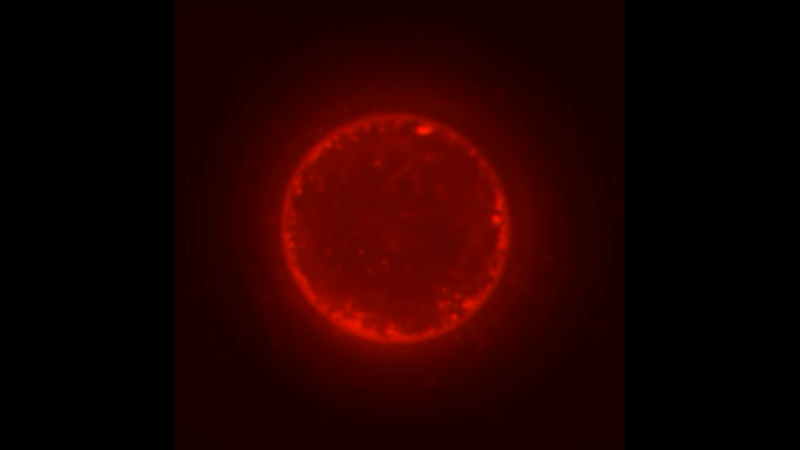
Researchers have developed SpudCells, laboratory-created structures that exhibit some characteristics of living cells but are not alive. These SpudCells represent a significant advancement in the field of synthetic biology, opening new avenues for understanding and potentially creating artificial life forms. The development allows scientists to explore the fundamental principles of cellular function and organization in a controlled environment. This breakthrough offers a unique opportunity to study the building blocks of life and how they interact. While not alive, the SpudCells demonstrate a crucial step towards the future possibility of synthetic life. The research aims to deepen our comprehension of biological systems and their potential for artificial replication. This innovation could have far-reaching implications for medicine, materials science, and biotechnology.
The creation of SpudCells, while not constituting actual life, signifies a pivotal moment in synthetic biology. This development allows for the deconstruction and reconstruction of cellular mechanisms, offering insights into the fundamental requirements for life itself. By creating simplified, non-living models, researchers can isolate variables and test hypotheses about cellular processes without the complexities of biological systems. This approach could accelerate the design of novel biological functions and materials, potentially leading to advancements in areas like targeted drug delivery or bio-manufacturing. The long-term implications involve understanding the boundary between non-living matter and life, and the ethical considerations that arise as this boundary becomes increasingly blurred.
AI-generated to prompt reflection — not editorial opinion, not advice, not a statement of fact. How this works.