Srebrenica Genocide Commemorated in The Hague, Emphasizing Grief and Responsibility
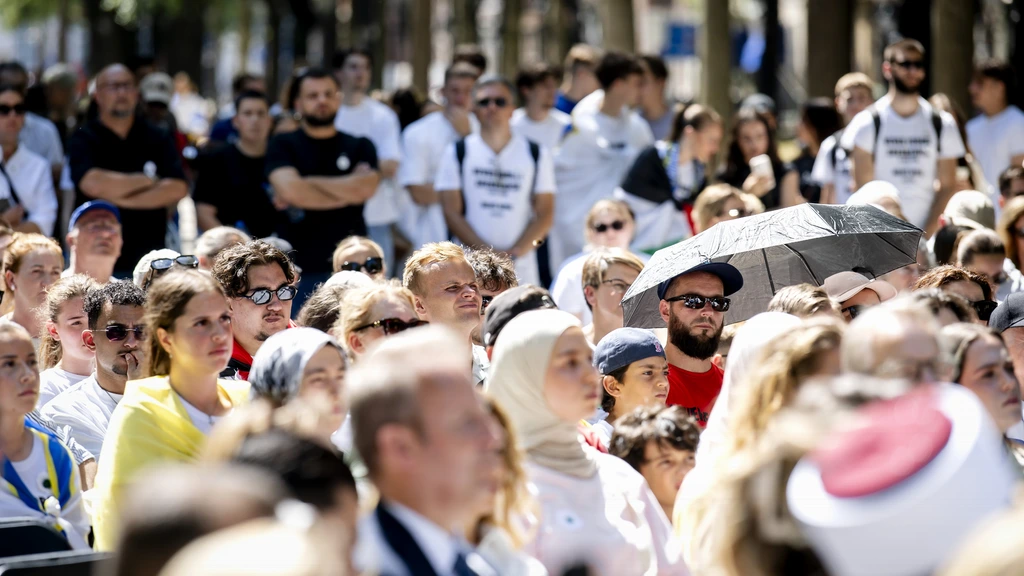
The 1995 Srebrenica genocide was commemorated in The Hague, Netherlands, with hundreds in attendance at Lange Voorhout. Speakers included The Hague Mayor Jan van Zanen and Bosnian Ambassador Almir Sahovic. The event honored the over 8,000 Bosniak Muslim men and boys murdered by Bosnian Serb forces led by General Ratko Mladic, while the Bosniak enclave of Srebrenica was under the protection of Dutch UN peacekeepers (Dutchbat). This year's commemoration particularly focused on the "mothers of Srebrenica," recognized for their role in an active culture of remembrance. Poet Zekira Ahmic and Member of Parliament Ines Kostic, both refugees from Bosnia and Herzegovina, delivered speeches. Mayor Van Zanen shared the story of Alma, who was 14 when her father was killed, and her daughter Hanna, who wears jersey number 11 in memory of her grandfather and other victims. He stressed the importance of integrating the stories of victims and survivors into collective consciousness. Samir Hajdarevic, chairman of the National Monument Srebrenica Genocide, who lost family members, emphasized passing on individual victim stories to prevent them from being reduced to mere numbers, stating, "On the one hand, there is much grief, but there is also much responsibility." The municipality of The Hague plans to establish a permanent monument near the former Yugoslavia Tribunal, with a new stone added this year to mark 31 years since the genocide. Meanwhile, in Srebrenica itself, tens of thousands gathered at the Potocari cemetery, including families, friends, and participants of a three-day peace march. Ten victims were reburied in Potocari, a process delayed by the ongoing discovery of mass graves and the challenge of identifying remains, with over 900 people still missing. The commemorations remain highly emotional, highlighting the persistent grief and the difficulty in fully accounting for all victims.
The commemoration of the Srebrenica genocide underscores the enduring human impact of mass atrocities and the complex process of collective memory and accountability. The event highlights the tension between acknowledging profound grief and accepting responsibility, particularly concerning the role of international peacekeepers and the ongoing challenges of identifying all victims. As societies grapple with historical injustices, the establishment of permanent memorials and the continued narration of individual stories serve as critical mechanisms for preventing future atrocities. In the context of an increasingly interconnected world and the rise of advanced technologies, understanding these historical failures is crucial for developing robust early warning systems and effective international cooperation frameworks to uphold human rights and prevent similar events in the coming decades.
AI-generated to prompt reflection — not editorial opinion, not advice, not a statement of fact. How this works.