Sri Lanka Prison Riot Leaves 23 Dead, Over 100 Injured in Gang Violence
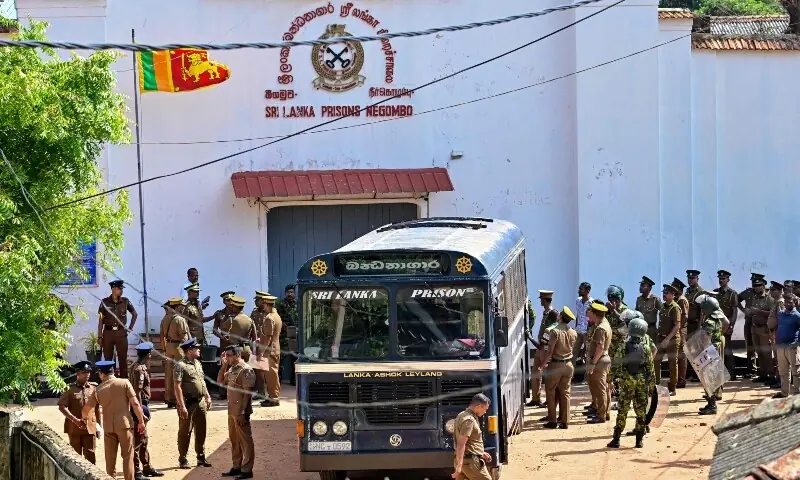
A violent prison riot at Negombo Prison in Sri Lanka resulted in the deaths of 23 individuals, including six guards, and left over 100 people wounded. The clashes, which began Sunday evening, involved inmates from two rival drug gangs and continued overnight. Victims sustained gunshot wounds, cuts, and severe bruises, with the most seriously injured transferred to Colombo National Hospital. Hospital director Pushpa Gamlath confirmed the death toll and number of wounded at the state-run facility. Justice Minister Harshana Nanayakkara expressed deep shock and grief, emphasizing that the loss of life was the primary concern, regardless of the inmates' affiliations. The riot also affected women inmates in an adjacent section when part of a roof collapsed, causing injuries. Prison spokesman Chaminda Gajanayake stated that no foreign inmates were harmed, though a British woman arrested in May 2025 for drug trafficking is held at Negombo. Inmates attempted to escape on Monday morning, and some grabbed guns from guards, escalating the confrontation. The situation led to the deployment of military personnel, police, and commandos to secure the perimeter, while drones and helicopters monitored the area. Inmates were observed being transferred to other prisons. This incident highlights the severe overcrowding in Sri Lanka's prison system, which holds approximately 41,250 inmates, about four times its intended capacity, a situation exacerbated by a similar riot in December 2020 that led to inmate releases.
This tragic event underscores the critical systemic issue of severe prison overcrowding in Sri Lanka, which is approximately four times the intended capacity. Such conditions create inherent instability and increase the likelihood of violence, particularly when coupled with the presence of organized criminal elements like drug gangs. The riot's escalation, including the seizure of weapons from guards, points to significant security vulnerabilities within the correctional facilities. Future policy considerations should focus on addressing the root causes of overcrowding, such as exploring alternatives to incarceration for non-violent offenses and improving rehabilitation programs, to prevent recurrence and ensure the safety of both inmates and staff. The incident also raises questions about the effectiveness of security protocols and the management of inter-gang rivalries within prisons.
AI-generated to prompt reflection — not editorial opinion, not advice, not a statement of fact. How this works.