Sri Lanka Prison Riots Result in 26 Deaths and Over 100 Injuries
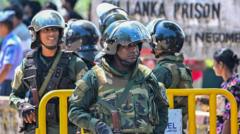
Two days of intense violence at Negombo Prison in Sri Lanka have resulted in a tragic death toll of 26 individuals, with more than 100 others sustaining injuries. This outbreak marks the most severe prison riots the nation has experienced in recent years.
The exact causes and full extent of the conflict within the prison are still being investigated. The scale of the casualties indicates a significant breakdown in security and control within the facility. Authorities are likely facing immense pressure to understand the root causes of the unrest and to implement measures to prevent future occurrences.
Negombo Prison, like many correctional facilities worldwide, may grapple with issues such as overcrowding, resource scarcity, and tensions among inmates. The recent events highlight the critical need for thorough reviews of prison management practices and inmate welfare in Sri Lanka. The government is expected to provide further details on the investigation and the steps being taken to address the situation.
The significant loss of life and injuries during the Negombo Prison riots underscore systemic challenges within correctional facilities, potentially including issues of overcrowding, resource allocation, and inmate management. The event prompts a review of governance structures and security protocols to identify leverage points for enhanced safety and de-escalation. Examining the underlying socio-economic factors that may contribute to inmate unrest, alongside the effectiveness of rehabilitation programs, could offer insights into preventing future crises. This incident may also highlight the need for greater transparency and independent oversight in prison systems to ensure accountability and humane conditions, aligning with evolving societal expectations for justice and public safety in the coming decade.
AI-generated to prompt reflection — not editorial opinion, not advice, not a statement of fact. How this works.