St. Paul's Cathedral's New Visual Identity: Lessons for Religious Buildings
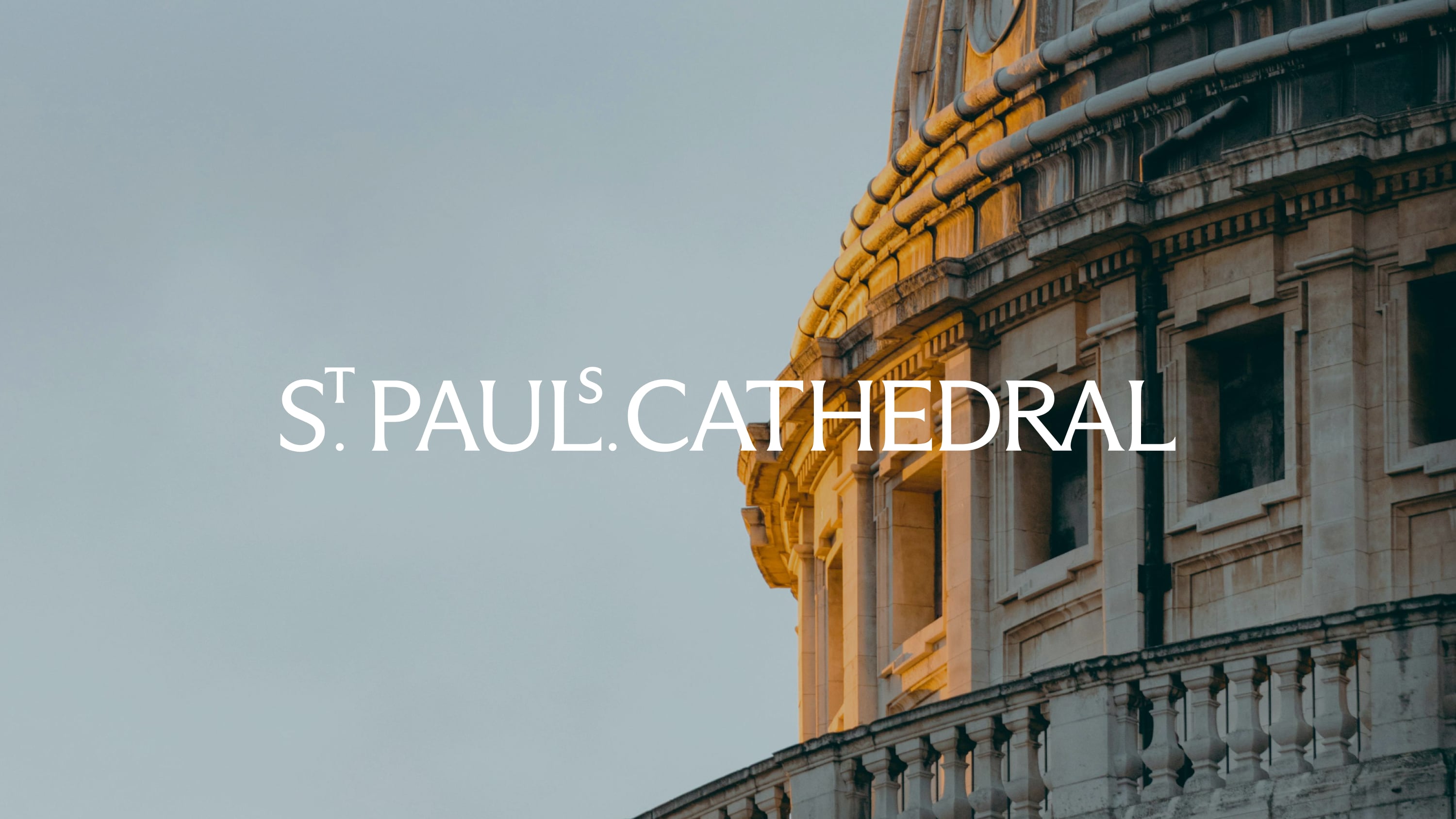
St. Paul's Cathedral in London has undergone a significant visual identity renovation, drawing inspiration from the building's original inscriptions from 1711. This comprehensive rebranding effort aims to move beyond superficial aesthetic changes, focusing instead on a deeper connection to the cathedral's history and architectural heritage. The initiative is not merely about adding decorative elements or logos to its facade, but about a more profound re-imagining of its visual presence. The project's depth has prompted discussion among design experts regarding its applicability to places of worship in other countries. Three design specialists have been consulted to analyze the potential for similar integrated exercises in religious centers elsewhere. Their insights will explore whether such a holistic approach to identity renewal is feasible and beneficial for other cultural and spiritual landmarks.
The rebranding of St. Paul's Cathedral highlights a growing trend among established institutions to leverage historical authenticity as a core component of their modern identity. This approach seeks to reinforce relevance by connecting contemporary audiences with enduring heritage, moving beyond superficial branding. The success of such initiatives often hinges on balancing historical fidelity with accessible communication strategies. Examining the potential for similar endeavors in other countries raises questions about cultural context, the specific historical narratives of different religious sites, and the diverse expectations of their congregations. This strategic use of heritage can be viewed as an institutional response to the challenges of maintaining cultural significance in an evolving global landscape, particularly as digital platforms increasingly influence public perception and engagement.
AI-generated to prompt reflection — not editorial opinion, not advice, not a statement of fact. How this works.