Staffer Advised Against Note-Taking at 'Unorthodox' Meeting on Toxic Soil
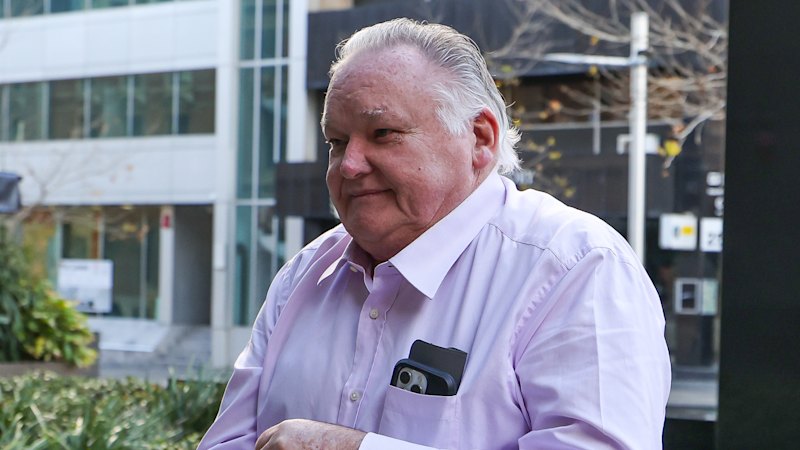
A defamation trial, seven years in the making, has concluded its first week of proceedings. The trial involves politicians, journalists, and a Perth property developer. During the proceedings, it was revealed that a staffer was instructed not to take notes during a meeting concerning toxic soil. This meeting was described as 'unorthodox.' The nature of the toxic soil and its connection to the property developer and the defamation case remain central to the ongoing legal proceedings.
The instruction against note-taking in a meeting concerning toxic soil, described as 'unorthodox,' raises questions about transparency and accountability in environmental dealings. Such practices can obscure decision-making processes and hinder future investigations into potential liabilities. In the context of a defamation trial involving significant public figures and a property developer, this detail suggests a potential effort to control the narrative or avoid creating a documented record of sensitive discussions. Moving forward, enhanced documentation protocols and clear communication channels are crucial for maintaining public trust and ensuring responsible environmental management, particularly when complex legal disputes are involved.
AI-generated to prompt reflection — not editorial opinion, not advice, not a statement of fact. How this works.