Stalled Progress: Female Mayors Plateau at 29% Nationwide, Zeeland Lags
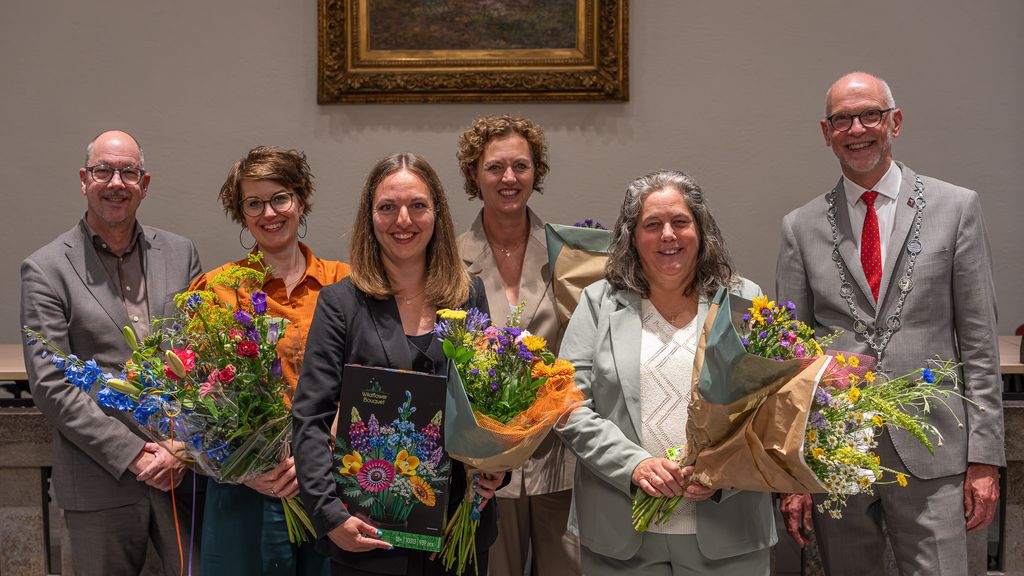
The steady increase in the number of female mayors in the Netherlands has halted, with the proportion of women in these positions remaining at approximately 29% following recent municipal elections. This figure is largely unchanged from four years ago, despite previous elections showing consistent growth. Significant regional disparities exist, with Utrecht province leading with 33 female mayors, representing over a third of its total. In stark contrast, Zeeland has only eight female mayors, making up about one-sixth of its total. In some areas, the male-dominated composition of municipal executive boards has sparked protests. For instance, in Heerlen, an initial all-male slate of six mayors led to criticism, prompting one candidate to withdraw in favor of a female party colleague, thereby introducing one woman to the board. Historically, the representation of women in these executive roles has grown from 19% sixteen years ago to the current 29%. However, over eighty municipalities will have no female mayors for the next four years. Conversely, Renkum in Gelderland has appointed four female mayors and no men, with a municipal spokesperson emphasizing that quality is independent of gender. Local parties have demonstrated strong negotiation skills, securing a disproportionately high number of mayoral positions relative to their electoral seat share, accounting for 37% of all mayoral posts. Among national parties, the CDA and VVD secured more mayoral positions than their respective vote percentages would suggest. Notably, Forum for Democratie (FvD) will not be part of any municipal executive boards, largely due to its stance on asylum policy, while the Party for Freedom (PVV) has appointed mayors for the first time in its history in Pekela, Rucphen, and Steenbergen. The Wethoudersvereniging (Mayors' Association) cites a hardening political climate, with women facing harsher online attacks, and the demanding nature of the role (50-60 hours per week) as potential reasons for the stagnation.
The stagnation in female representation among Dutch mayors suggests that while initial gains in gender equality were achieved, systemic factors may now be impeding further progress. The cited reasons, such as a more hostile political climate and the intensive demands of the role, could disproportionately affect women's willingness or ability to pursue and retain these positions. This trend highlights a potential disconnect between legislative intent for gender balance and the practical realities of political participation and retention. Future policy interventions might need to address not only recruitment but also the support structures and the overall political environment to ensure sustained progress towards equitable representation. The significant regional variations also indicate that a one-size-fits-all approach may be insufficient, requiring tailored strategies to address local contexts and challenges.
AI-generated to prompt reflection — not editorial opinion, not advice, not a statement of fact. How this works.