Stalled Ships Near Strait of Hormuz Pose Invasive Species Threat, Scientists Warn
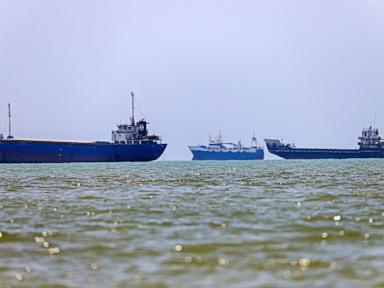
Scientists are warning of a potential ecological catastrophe due to stalled vessels accumulating near the Strait of Hormuz. Ongoing conflict in the region has led to the blockage of maritime traffic through this vital passageway. The prolonged presence of these stationary ships creates an environment ripe for the spread of invasive species. These organisms, often transported in ballast water or attached to hulls, can disrupt native ecosystems when introduced to new environments. The Strait of Hormuz is a critical chokepoint for global oil transport and a biologically diverse marine area. The accumulation of ships, potentially for extended periods, increases the risk of these invasive species reaching new waters. This could have devastating long-term consequences for marine biodiversity and the health of the Persian Gulf ecosystem. The situation highlights the interconnectedness of geopolitical stability and environmental security.
The geopolitical tensions impacting maritime traffic through the Strait of Hormuz are creating an unintended environmental risk. The prolonged stationary presence of vessels provides a vector for the introduction and spread of non-native marine organisms. This situation underscores a systemic vulnerability where strategic conflicts can have cascading ecological consequences. Future maritime governance frameworks may need to incorporate contingency plans for environmental protection during periods of transit disruption, considering the long-term biological impacts alongside immediate economic and security concerns.
AI-generated to prompt reflection — not editorial opinion, not advice, not a statement of fact. How this works.