Standardizing Barbell Exercise Strength: Accounting for Sex, Age, and Body Size
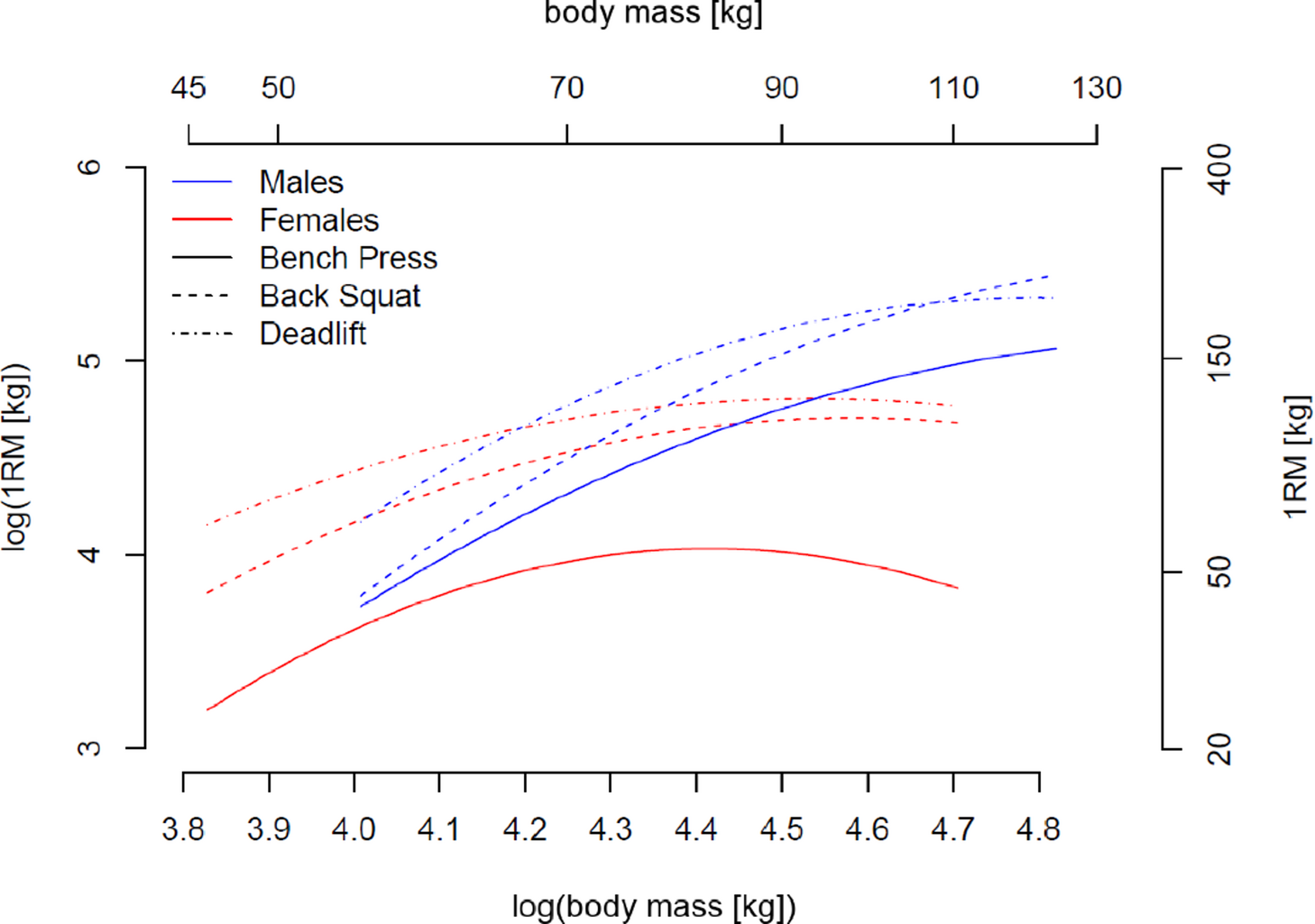
This study introduces a method for normalizing muscle strength measurements in barbell exercises. The goal is to account for variations introduced by an individual's sex, age, and anthropometric characteristics, such as height and weight. The research focuses on the principles of allometry, which describes how body parts grow at different rates relative to each other. By applying allometric scaling, the researchers aim to create a more accurate and comparable assessment of strength across diverse populations. This normalization is crucial for understanding true strength differences and progress, rather than those influenced by body composition or developmental stage. The findings could have implications for strength training, sports science, and fitness assessments. The paper provides detailed notes on the application of allometry in this context. It seeks to establish a standardized approach to strength evaluation that transcends simple absolute measurements. This will allow for more equitable comparisons and a better understanding of human physical potential.
This research addresses the inherent challenge of comparing strength data across individuals with varying physiological characteristics. By employing allometric scaling, the study seeks to move beyond simple absolute strength metrics, which can be misleading due to differences in body mass and composition. The normalization approach aims to provide a more equitable basis for assessing strength, potentially revealing underlying physiological capabilities irrespective of size or age. This could refine training protocols and performance evaluations, offering a more nuanced understanding of human physical potential. The long-term implications may involve developing more personalized fitness and rehabilitation strategies, adapting to the increasing focus on individualized health and performance in the coming decade.
AI-generated to prompt reflection — not editorial opinion, not advice, not a statement of fact. How this works.