Stanley Kubrick's Adaptation Strategy: Why He Never Wrote Original Screenplays
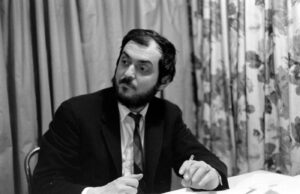
This article explores the directorial choices of the renowned American filmmaker Stanley Kubrick, whose works are considered cinematic classics. Born on this day, Kubrick was celebrated for his meticulous approach to selecting themes, his deliberate pace of filmmaking, his diverse genre contributions, technical mastery, and his characteristic reticence regarding his own movies. He consistently maintained complete creative control over his projects. A key aspect of his career was his consistent decision to adapt existing novels rather than writing original screenplays. The piece delves into the reasons behind this directorial preference and the criteria he employed when choosing which literary works to bring to the screen. Kubrick's method involved a deep engagement with source material, often seeking out novels that offered rich thematic depth and narrative potential. His selection process was reportedly rigorous, aiming to find stories that resonated with his artistic vision and allowed for his unique cinematic interpretation. This approach contributed to the enduring legacy of his films, which continue to be studied and admired for their depth and innovation.
Stanley Kubrick's consistent reliance on literary adaptations, rather than original screenplays, highlights a strategic approach to filmmaking that prioritized thematic resonance and narrative complexity. This methodology allowed him to leverage pre-existing, often critically acclaimed, stories, providing a robust foundation for his distinctive visual and thematic interpretations. By focusing his creative energy on adaptation and directorial execution, Kubrick minimized the inherent risks associated with developing entirely new narratives from scratch. This practice reflects a broader trend in cinema where established literary works serve as a fertile ground for cinematic exploration, offering both audience familiarity and a rich tapestry for directorial vision. The long-term success of this model suggests that for certain auteurs, the careful selection and reimagining of existing narratives can be a more effective path to creating enduring cinematic art than the solitary pursuit of original screenplays.
AI-generated to prompt reflection — not editorial opinion, not advice, not a statement of fact. How this works.