Stanley Kubrick: Why He Adapted Novels Instead of Writing Original Screenplays
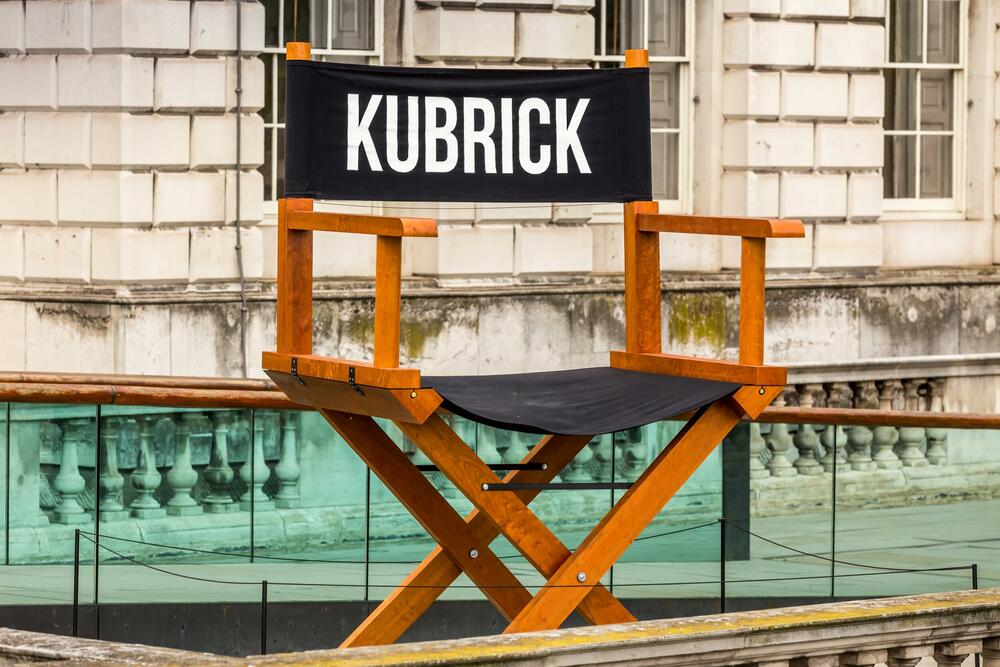
Stanley Kubrick, widely regarded as one of history's greatest filmmakers, consistently chose to adapt existing literary works for his movies rather than creating original screenplays. This approach suggests a deliberate artistic strategy where he sought out stories that could surprise and challenge him. His directorial choices indicate a preference for engaging with pre-existing narratives that offered a unique foundation for his cinematic vision. By selecting novels, Kubrick found material that already possessed a depth and complexity he could explore and reinterpret through his distinctive filmmaking style. This method allowed him to leverage established storytelling while infusing it with his own artistic interpretation and thematic concerns. The decision to adapt rather than originate highlights his focus on finding compelling narratives that resonated with his artistic sensibilities and provided fertile ground for his directorial genius. It underscores a career built on reimagining and elevating literary works into cinematic masterpieces.
Stanley Kubrick's consistent choice to adapt literary works over originating screenplays points to a strategic engagement with narrative structure and thematic depth. This approach may reflect an artistic philosophy that values the exploration and reinterpretation of established stories, allowing for a rich interplay between source material and directorial vision. By selecting novels, Kubrick likely sought narratives that offered complex characters and intricate plots, providing a robust framework for his cinematic innovation. This method suggests a focus on the transformative power of filmmaking to imbue existing tales with new meaning and visual resonance, rather than the generative act of creating a story from scratch. The pattern highlights a sophisticated understanding of how different mediums can serve distinct creative impulses, prioritizing the cinematic reimagining of compelling literary foundations.
AI-generated to prompt reflection — not editorial opinion, not advice, not a statement of fact. How this works.