Starbucks Japan Celebrates 30 Years, Growing by Emulating 7-Eleven and Tokyo Disneyland
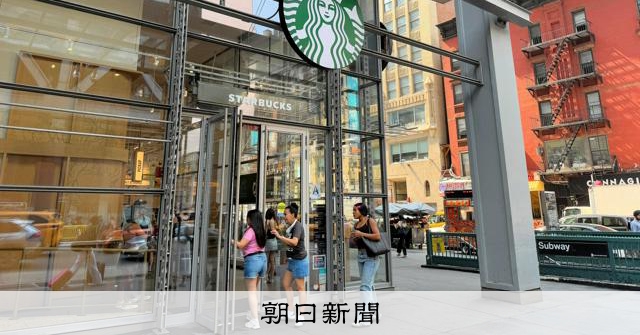
Starbucks Japan is celebrating its 30th anniversary since its arrival in the country. The company's growth strategy in Japan has been significantly influenced by observing and learning from the business models of 7-Eleven and Tokyo Disneyland. These iconic establishments have provided valuable insights into customer engagement, operational efficiency, and market penetration within the Japanese context. Starbucks Japan has successfully adapted these lessons to its own operations, contributing to its strong presence and popularity. In contrast to Starbucks Japan's success, the original Starbucks corporation has reportedly experienced a prolonged period of underperformance. This divergence highlights the effectiveness of Starbucks Japan's localized approach and its ability to thrive independently of the parent company's struggles. The company's journey over the past three decades showcases a remarkable adaptation to the Japanese market.
Starbucks Japan's success, attributed to learning from 7-Eleven and Tokyo Disneyland, illustrates the power of localized adaptation in global markets. While the parent company has faced challenges, Starbucks Japan's strategic emulation of successful domestic models suggests a nuanced understanding of consumer behavior and operational excellence specific to the Japanese context. This case prompts reflection on how international brands can foster resilience and growth by integrating local market dynamics, potentially offering a blueprint for navigating diverse economic landscapes. The divergence in performance between the Japanese subsidiary and the parent company warrants examination of corporate governance and strategic decision-making at the global level, particularly in the context of evolving consumer preferences and competitive pressures in the next decade.
AI-generated to prompt reflection — not editorial opinion, not advice, not a statement of fact. How this works.