Starlink Expands Satellite Internet Services Across 26 African Nations
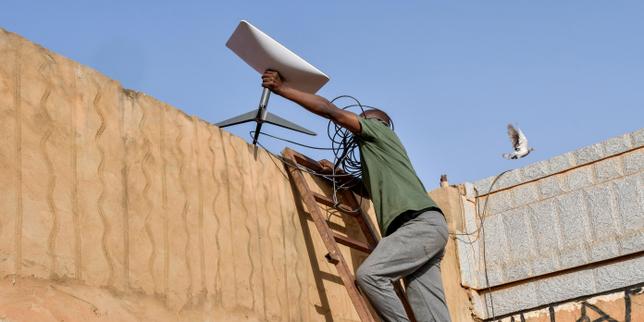
Elon Musk's Starlink, the satellite internet service provider, has successfully established its presence in 26 out of Africa's 54 countries. This expansion marks a significant move for the company, which is owned by the American billionaire. Many African nations, initially hesitant about satellite internet providers, are now embracing Starlink's services. Their primary motivation is to bridge the digital divide, particularly in remote and underserved rural areas. By offering internet connectivity where traditional infrastructure is lacking, Starlink aims to connect previously isolated communities. This initiative could have a profound impact on education, healthcare, and economic development in these regions. The company's rapid deployment across the continent highlights the growing demand for accessible internet solutions in Africa. Starlink's success suggests a potential shift in how connectivity challenges are addressed in developing regions.
Starlink's expansion into 26 African states addresses a critical infrastructure gap, offering a potential solution for digital exclusion in rural areas. The service's satellite-based model bypasses the need for extensive terrestrial networks, which are costly and slow to deploy in geographically challenging terrains. This strategy aligns with global trends of leveraging advanced technology to leapfrog traditional development stages. However, the long-term sustainability and affordability of Starlink's services for end-users in low-income regions will be crucial factors in determining its ultimate impact. Furthermore, regulatory frameworks and national policies will play a significant role in shaping market competition and ensuring equitable access across the continent.
AI-generated to prompt reflection — not editorial opinion, not advice, not a statement of fact. How this works.