Stars Like Harry Styles and Dua Lipa Embrace Public Exploration Over Hotel Seclusion
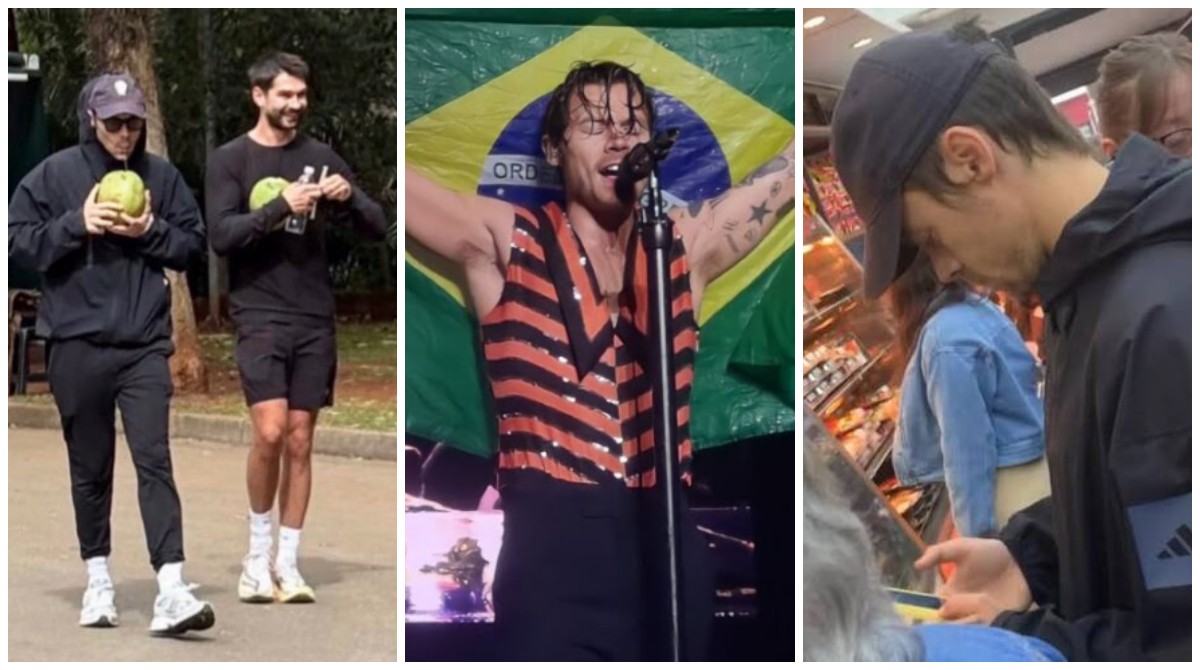
International artists such as Harry Styles and Dua Lipa are increasingly choosing to explore the cities they visit rather than remaining secluded in hotels. Styles, during his recent visit to São Paulo, Brazil, was seen engaging in activities like running in Ibirapuera Park, going to the cinema, and visiting the Liberdade neighborhood. This contrasts with his 2014 visit with One Direction, where fan crowds led to security issues. The trend reflects a shift in how artists approach touring, influenced by post-pandemic considerations for physical and mental health, and logistical changes like multi-date stays in single locations. This allows for more downtime to experience local culture, which artists like Dua Lipa feel enriches their performances and connection with audiences. While security remains a concern for highly famous individuals, the desire to experience places authentically and avoid a life solely confined to hotels is a significant motivator. Harry Styles himself noted that past tours involved so much time in hotels that he didn't truly experience many countries, prompting a commitment to explore during current travels. This movement also fosters a potentially healthier relationship between fans and artists, challenging the notion that fame necessitates tolerating harassment. By appearing in public and behaving normally, artists can help demystify their presence, leading the public to be less intrusive and more respectful of their privacy during leisure time. This normalization encourages artists to feel more comfortable interacting, ultimately benefiting both the celebrity and the fan by fostering a more positive and sustainable touring environment.
The evolving behavior of global music artists, exemplified by Harry Styles and Dua Lipa, reflects a broader societal recalibration of fame and privacy in the digital age. Post-pandemic logistical shifts and a heightened awareness of mental well-being have incentivized artists to integrate their touring experiences with genuine cultural engagement. This approach challenges the traditional model of celebrity isolation, suggesting that greater public visibility, when managed thoughtfully, can lead to more authentic fan interactions and a less fearful artist-audience dynamic. The underlying tension lies in balancing the artist's need for personal space and safety against the public's desire for connection, a dynamic that technology and social media continue to reshape. As artists increasingly seek to 'normalize' their public presence, the onus shifts towards fostering a culture of respect for personal boundaries, even among highly visible figures, thereby potentially mitigating the intense fan reactions that often arise from perceived scarcity.
AI-generated to prompt reflection — not editorial opinion, not advice, not a statement of fact. How this works.