Starship Heat Shield Tech Labeled a "Dead End" for Rapid Reuse by Experts
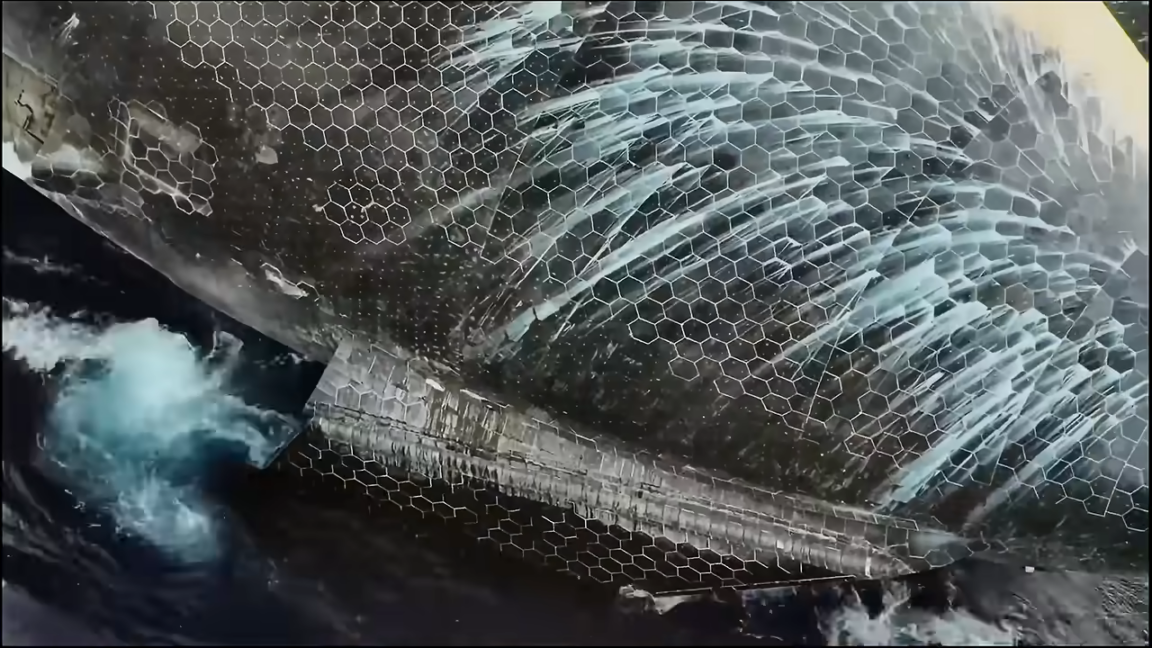
Experts are raising concerns that the current heat shield technology employed by SpaceX's Starship program represents a significant obstacle to achieving rapid reuse of the spacecraft. This warning comes as NASA has reportedly not allocated substantial resources to thermal protection research for many decades. The implication is that without advancements in this critical area, the ambitious goals of frequent Starship flights may be unattainable. The current approach may require extensive refurbishment after each flight, negating the economic and operational benefits of reusability. This situation highlights a potential gap in long-term investment in fundamental aerospace technologies. Further research and development are likely necessary to overcome these limitations and enable the high cadence of operations envisioned for Starship. The focus on rapid reuse is central to the program's viability and potential for future space exploration and commercialization.
The current thermal protection system for Starship, as described, may present a significant challenge to achieving the program's stated goal of rapid reuse. A lack of sustained, substantial investment in thermal protection research by NASA over several decades could mean that existing technologies are not optimized for the high-cycle, rapid turnaround operations envisioned for Starship. This situation could lead to increased refurbishment costs and extended downtime between flights, potentially impacting the economic feasibility of the program. Future development may need to prioritize innovative materials and methodologies that can withstand repeated atmospheric re-entries with minimal degradation, or alternatively, explore alternative re-entry strategies. The long-term viability of such ambitious reusable launch systems hinges on addressing these fundamental engineering challenges.
AI-generated to prompt reflection — not editorial opinion, not advice, not a statement of fact. How this works.