Starship's 'Pez Dispenser' Design Signals Shift in Launch Vehicle Payload Integration
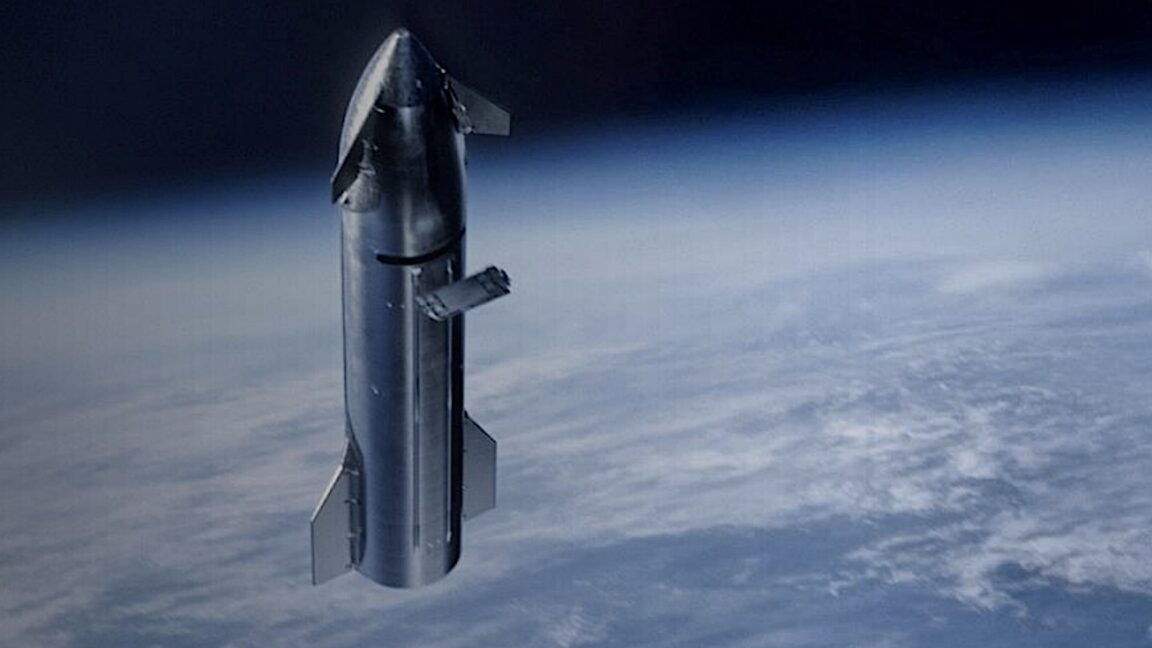
The innovative industrial design of SpaceX's Starship, particularly its "Pez dispenser"-like payload mechanism, is being recognized for its smart approach to integrating large payloads. This design represents a significant departure from previous methods of dictating launch terms based on payload constraints. The "Pez dispenser" analogy highlights the system's efficiency and scalability in accommodating and deploying payloads. This marks a notable change in how launch vehicles are designed and how payload integration is managed. The evolution suggests a move towards more flexible and efficient launch solutions. This new approach could redefine the economics and accessibility of space launches. The Starship's design is seen as a testament to advanced engineering and forward-thinking solutions in the aerospace industry. The shift indicates a broader trend towards optimizing launch vehicle capabilities to better serve diverse payload requirements.
The "Pez dispenser" analogy for Starship's payload mechanism suggests a move towards more standardized and efficient payload integration, potentially lowering costs and increasing launch cadence. This design innovation addresses a long-standing challenge in rocketry where vehicle capabilities were often dictated by the complexities of payload attachment and deployment. By rethinking this interface, SpaceX may be enabling greater flexibility for various mission types and payloads. This system's scalability could be a key factor in future space infrastructure development, allowing for more diverse applications from satellite deployment to potential human missions. The focus on smart industrial design at scale indicates a strategic effort to optimize not just the rocket itself, but the entire ecosystem of launching into space.
AI-generated to prompt reflection — not editorial opinion, not advice, not a statement of fact. How this works.