State Forest Service eyes closure of 7 visitor centers to prioritize nature management
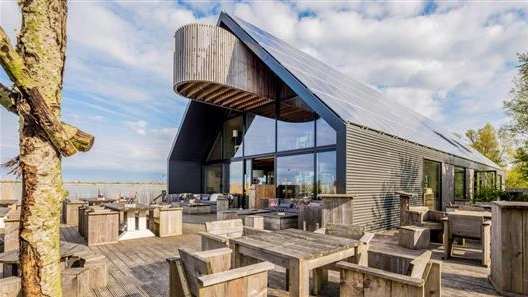
Staatsbosbeheer, the Dutch State Forest Service, has announced plans to close all seven of its visitor centers across the Netherlands, citing a need to prioritize nature management. These centers, which collectively attract approximately 1.3 million visitors annually, have proven to be financially unsustainable. The affected centers include De Pelen, Almeerderhout, Oostvaardersplassen, Schoorlse Duinen, Sallandse Heuvelrug, Drents-Friese Wold, and Boomkroonpad. Historically funded by the national government until 2014, Staatsbosbeheer assumed management due to their societal value but has since incurred structural losses. The organization states that its primary focus remains on optimal nature management, especially as it contributes to biodiversity recovery and addressing the nitrogen problem. The proposed closures will not result in forced redundancies for the 23 staff members and 350 volunteers involved. Instead, alternative future-proof arrangements will be explored for each location. While these centers serve as information hubs, Staatsbosbeheer assures that public outreach will continue through different means, including more integrated on-site information and digital resources. The planned closure date for most centers is January 1, 2027, with the Almeerderhout center closing earlier on July 26 due to low visitor numbers following the closure of its catering facilities. The proposal is currently under review by the works council, which is expected to provide its advice by October 1.
Staatsbosbeheer's proposal to close visitor centers reflects a common tension between public access and conservation funding. The organization's stated priority of nature management, particularly in light of biodiversity and nitrogen challenges, suggests a strategic reallocation of resources towards core ecological objectives. This move may indicate a broader trend where public-facing infrastructure, if not self-sustaining or directly contributing to conservation goals, faces scrutiny. The emphasis on digital outreach and integrated on-site information suggests an adaptation to evolving visitor engagement models, potentially reducing operational overheads while maintaining a presence. The decision's impact on local communities and volunteer engagement will be a key factor for the works council's consideration, highlighting the challenge of balancing ecological imperatives with social and economic considerations in public land management.
AI-generated to prompt reflection — not editorial opinion, not advice, not a statement of fact. How this works.