State Water Company Sues Over $4.5 Billion Discount Deal with Concessionaire
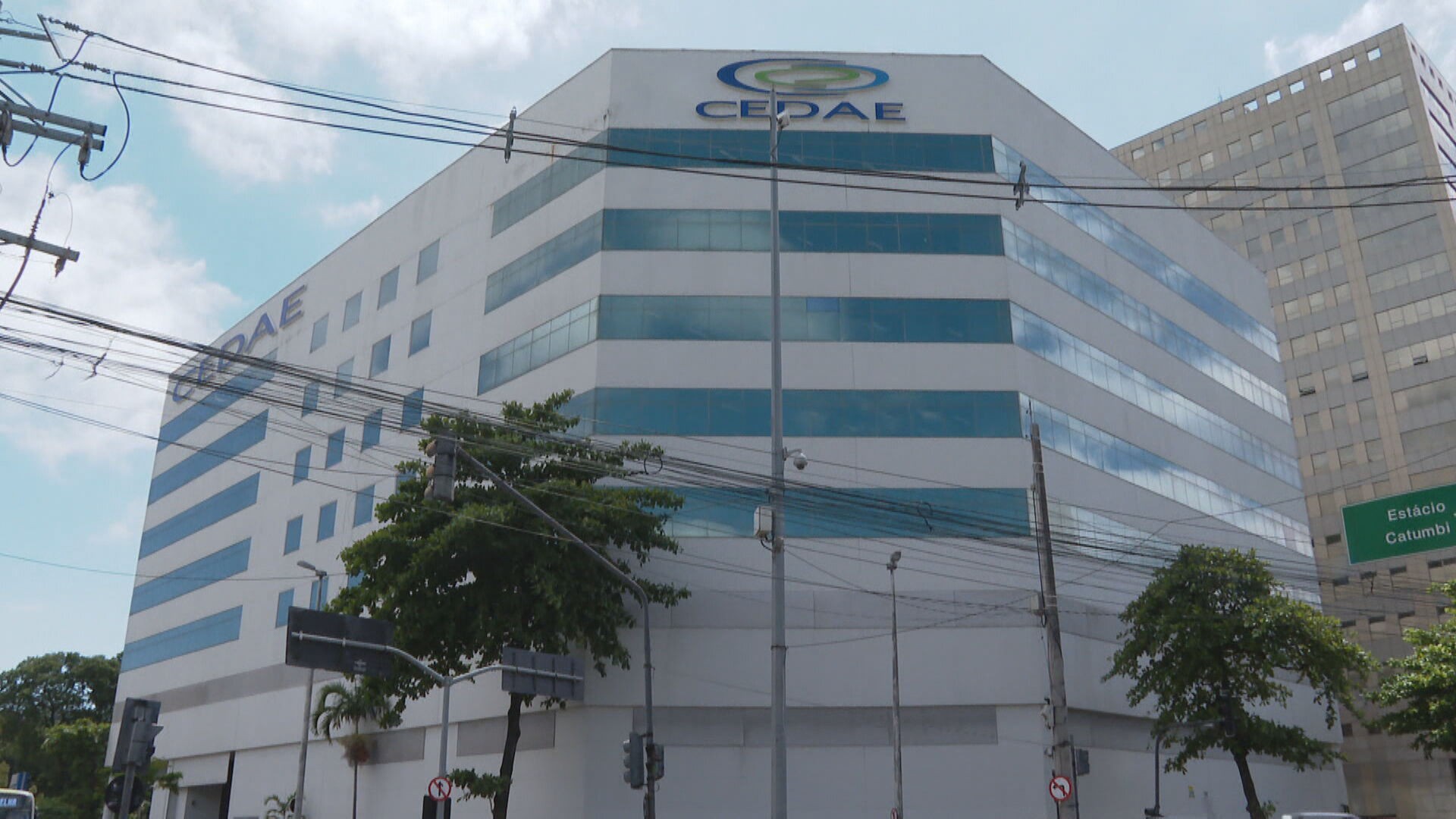
The state-owned water company Cedae has filed a lawsuit seeking to annul an agreement with concessionaire Águas do Rio that grants a 24.13% discount on water bills paid by the company. Cedae's current management claims the financial impact could reach nearly R$ 25 billion (approximately $4.5 billion) by the end of the concession in 2050, jeopardizing investments and the state's water security. The discounts, amounting to about R$ 50 million monthly, have been applied since last year.
An internal audit suggests the deal was influenced by political pressure. According to the report, in September 2025, then-Governor Cláudio Castro allegedly ordered Cedae to implement the discount, citing sufficient "retained undistributed profits." Cedae initially denied any debt and responsibility for the payment. However, the audit indicates that the deadline for Cedae's defense was not extended, possibly due to directives from the Civil House, and a subsecretary concluded Cedae's responsibility. The contract was subsequently approved and signed by Cedae's board without a technical impact study.
Cedae's new management recalculated the financial impact, estimating accumulated discounts of R$ 3 billion by 2030 and nearly R$ 25 billion by 2050. The company argues that maintaining the agreement poses a significant risk to its finances and water security investments. Cedae's president, Rafael Rolim, stated that the current loss is around R$ 350 million, projected to reach R$ 25 billion, which would compromise water security planning. The audit also claims the previous Cedae management presented an "illusory" narrative to the State Audit Court and ignored a financial warning of an R$ 805 million deficit in 2025. Cedae asserts it did not have access to the studies supporting Águas do Rio's claim of economic imbalance.
This legal dispute highlights potential governance challenges in public-private partnerships, particularly concerning the negotiation and approval processes for financial agreements. The allegations of political pressure and the subsequent audit raise questions about the transparency and objectivity of the initial deal-making. The significant financial implications for Cedae, as projected by its current management, underscore the importance of robust due diligence and independent technical assessments before finalizing such contracts. The case also presents a conflict between the concessionaire's claims of addressing infrastructure deficits and the state company's concerns about long-term financial sustainability and its ability to meet its public service obligations. Future agreements of this nature may benefit from enhanced oversight mechanisms and clearer protocols to safeguard public interest and ensure equitable risk allocation.
AI-generated to prompt reflection — not editorial opinion, not advice, not a statement of fact. How this works.