Statistics Show Singles and Pensioners Most Likely to Receive Housing Benefits
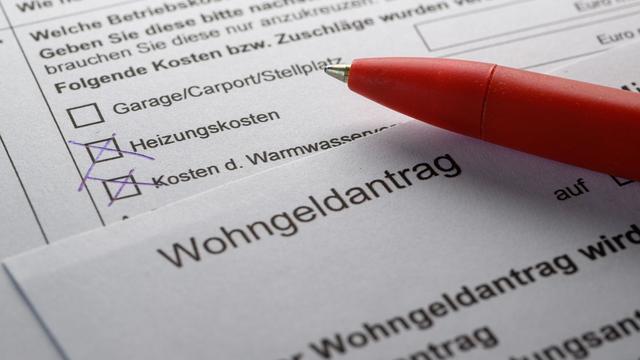
New statistics reveal that single individuals and pensioners are the primary recipients of housing benefits in Germany. These groups disproportionately rely on state support to afford their living accommodations. The data highlights a significant trend in social welfare distribution, indicating specific demographic vulnerabilities within the population.
Further analysis of the figures is expected to shed light on the underlying socio-economic factors contributing to this pattern. Understanding the reasons behind the high dependency of singles and retirees on housing assistance is crucial for policymakers aiming to address housing affordability and social inequality. The findings underscore the ongoing challenges faced by these demographic segments in the current economic climate.
The statistics indicate a potential correlation between specific life stages and economic vulnerability in Germany. Singles may face higher per-capita housing costs without a dual-income household, while pensioners often contend with fixed incomes that may not keep pace with rising living expenses. This data suggests that current social support mechanisms are heavily utilized by these demographics, prompting a review of their adequacy and reach. Future policy considerations might explore targeted interventions or adjustments to benefit structures to ensure sustainable housing security for all citizens, particularly those in non-traditional household formations or with retired incomes, in the context of evolving economic landscapes and demographic shifts.
AI-generated to prompt reflection — not editorial opinion, not advice, not a statement of fact. How this works.