Stellantis Begins Jeep Avenger Production in Brazil, Boosting Electrified Vehicle Strategy
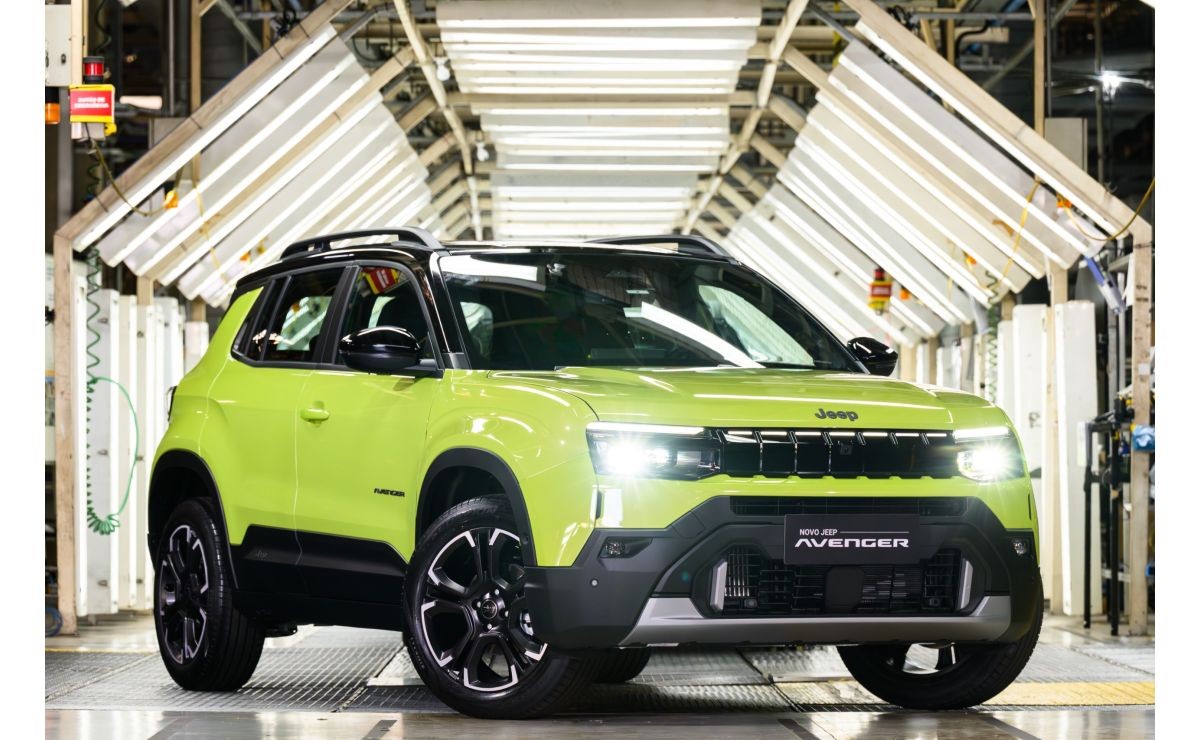
Stellantis, the automotive group behind Fiat and Jeep, has commenced series production of the new Jeep Avenger at its Porto Real Automotive Pole in Rio de Janeiro, Brazil. This compact SUV marks a significant milestone as the first vehicle manufactured at the facility to feature a 12-volt mild-hybrid system. It also introduces the company's new electrified vehicle production platform in Brazil. The commencement of manufacturing coincided with the 25th anniversary celebration of the Porto Real Automotive Pole. The Avenger is a key project within a R$3 billion investment cycle aimed at modernizing and expanding the factory by 2030, part of Stellantis' broader R$32 billion plan for South America. Herlander Zola, Stellantis President for South America, highlighted the Avenger's role in addressing the significant growth of the B-SUV segment in Brazil. The vehicle will be equipped with a 1.0 turbo flex engine and a 12V mild-hybrid system, which assists the combustion engine for improved fuel efficiency and reduced emissions, though it cannot operate solely on electric power. This production launch signifies the factory's adaptation for a new generation of electrified vehicles, aligning with Stellantis' global strategy for lower-carbon emission models. To support increased Avenger production, Stellantis will implement a second shift at the Porto Real plant, creating approximately 800 direct jobs and an additional 450 positions with supplier companies. The company is also integrating eight new suppliers into the industrial complex, bringing the total to 13, which is expected to reduce transportation costs for parts, increase the use of domestically produced components, and strengthen the automotive supply chain in Rio de Janeiro.
The initiation of Jeep Avenger production in Brazil, featuring mild-hybrid technology, signals Stellantis' strategic move to localize electrified vehicle manufacturing and capitalize on the growing B-SUV market. This investment in the Porto Real facility, including the expansion of supplier networks, aims to enhance production efficiency and domestic content, aligning with broader industry trends toward decarbonization and regional supply chain resilience. The dual focus on a mild-hybrid system and adapting the plant for future electrified models suggests a pragmatic approach to transitioning consumers towards lower-emission vehicles while managing technological adoption curves. This development is poised to influence competitive dynamics within the Brazilian automotive sector, potentially accelerating similar investments from other manufacturers and shaping consumer expectations regarding powertrain technologies and local production capabilities over the next decade.
AI-generated to prompt reflection — not editorial opinion, not advice, not a statement of fact. How this works.