Stellantis Reports 10% Global Vehicle Delivery Increase in Q2
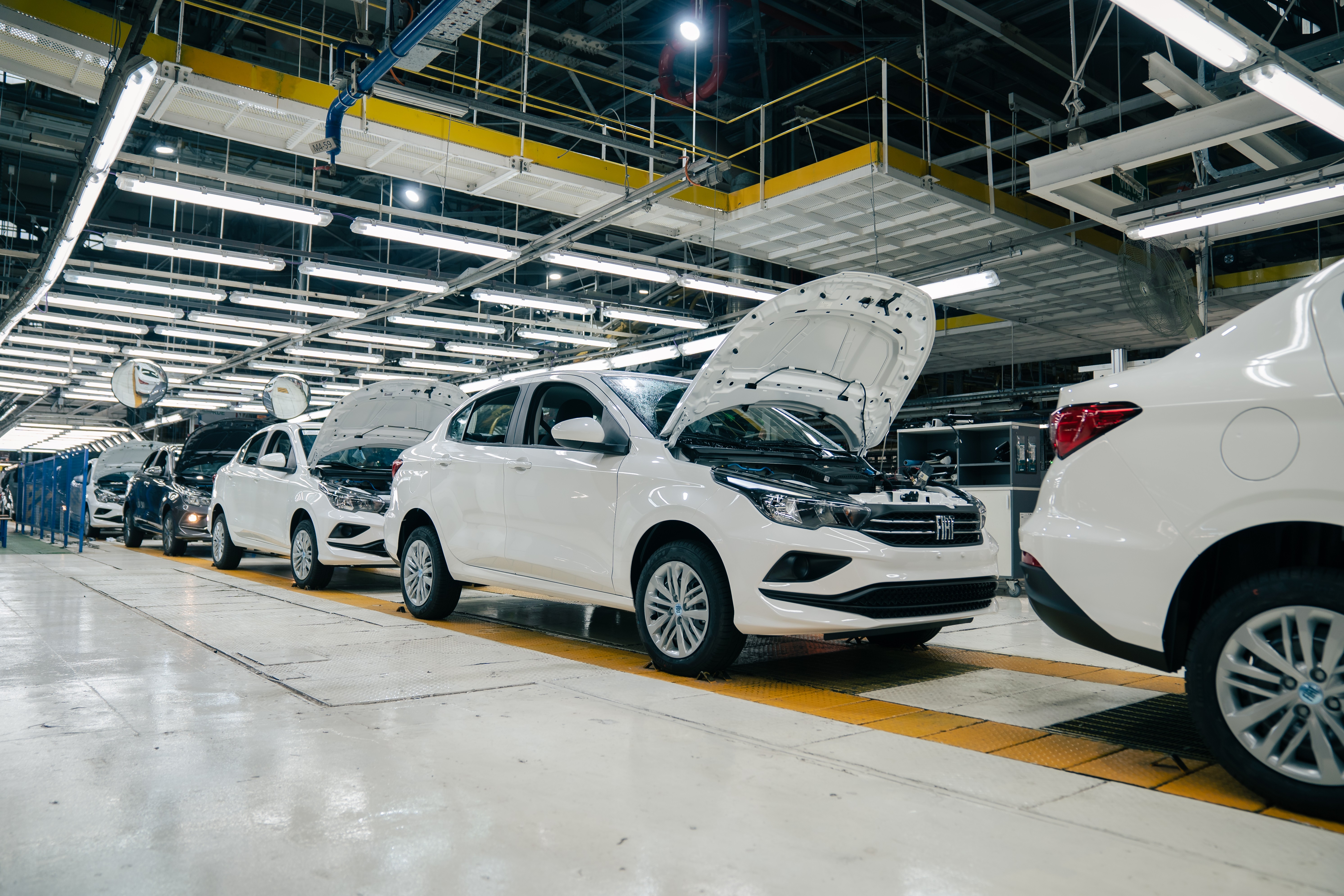
Stellantis, the automotive group behind brands such as Fiat, Jeep, Peugeot, Citroën, and Ram, announced a 10% rise in global vehicle deliveries for the second quarter, reaching nearly 1.6 million units. This growth, compared to the same period in 2025, was primarily driven by strong performance in North America, the company's largest market. The sales recovery is seen as crucial for the restructuring plan led by CEO Antonio Filosa, who aims to regain market share lost due to rising vehicle prices, a focus on electric models, quality issues, and increased competition from Chinese manufacturers.
In May, Filosa unveiled a new business plan projecting 60 billion euros in investments by 2030, which includes launching new models, optimizing brand portfolios, and expanding technological and manufacturing partnerships. North American deliveries surged by 38% to 445,000 units, boosted by new and updated models like the Ram 1500 pickup and Jeep SUVs, with production adjustments made for the summer shutdown. Deliveries in the enlarged Europe market grew by 5% to 762,000 units, including approximately 33,000 vehicles from Chinese manufacturer Leapmotor, with demand supported by entry-level models. However, this growth was partially offset by declines in the Middle East and Africa due to regional conflict, and in South America, impacted by a market contraction in Argentina.
Stellantis's reported 10% global delivery increase in the second quarter, particularly strong in North America, suggests a positive response to its strategic initiatives. The company's ability to leverage new model launches and market recovery in key regions demonstrates resilience amidst evolving automotive industry pressures, including electrification and global competition. The integration of Leapmotor vehicles in Europe also indicates a strategic approach to market expansion and addressing diverse consumer demands. Looking ahead, the success of Stellantis's 60 billion euro investment plan by 2030 will hinge on navigating complex geopolitical factors affecting regions like the Middle East and Africa, alongside continued adaptation to technological shifts and competitive dynamics, especially from emerging manufacturers.
AI-generated to prompt reflection — not editorial opinion, not advice, not a statement of fact. How this works.