Steroid Culture: A Betrayal of Trust from an Islamic Perspective
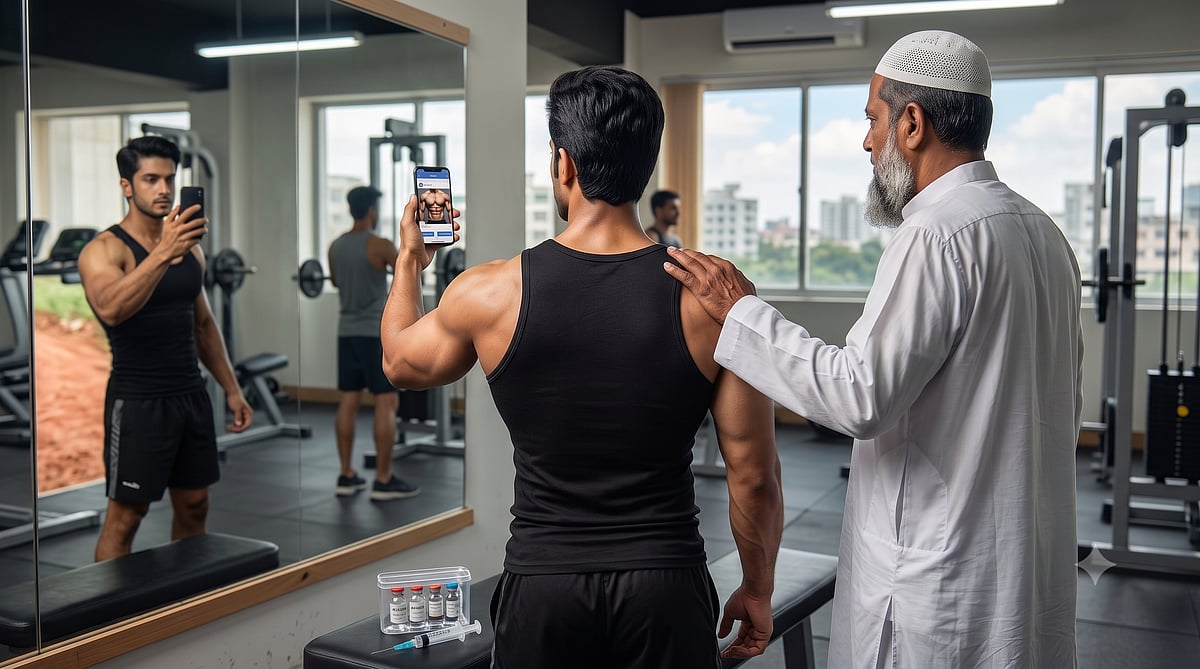
From an Islamic viewpoint, the pursuit of a 'six-pack' physique through steroid use is not merely a betrayal but a violation of trust on three distinct levels. This practice fundamentally disregards the body as a divine trust, an 'amanah' from Allah. The first level of betrayal involves the physical harm inflicted upon oneself. Steroids can lead to severe health complications, including liver damage, heart problems, and hormonal imbalances, directly contradicting the Islamic principle of preserving one's health and well-being. The second level concerns the deception involved. Achieving an artificial physique through external means misrepresents one's true physical condition, potentially leading others to admire or emulate a facade rather than genuine effort or natural health. This can foster a culture of superficiality and dishonesty. The third and perhaps most profound betrayal is spiritual. Islam emphasizes humility and acceptance of one's natural state, discouraging vanity and the pursuit of external validation. The relentless drive for an idealized body through artificial means can distract from spiritual growth and the worship of Allah, diverting focus from eternal matters to transient physical appearance.
The pursuit of idealized physical forms through performance-enhancing substances, as described, highlights a societal tension between cultural aesthetics and religious or ethical principles. From a systemic perspective, the widespread availability and marketing of such substances create incentive structures that prioritize immediate physical gratification over long-term health and ethical considerations. This phenomenon reflects broader challenges in the digital age, where curated online personas and unrealistic beauty standards can amplify pressure on individuals to conform, potentially leading to the adoption of harmful practices. Examining this through a futurist lens, the increasing integration of technology with human biology may further blur the lines between natural and artificial enhancement, necessitating ongoing dialogue about the ethical boundaries and societal implications of altering human physiology for aesthetic or performance-related goals. This underscores the importance of fostering critical media literacy and promoting holistic well-being that encompasses mental, spiritual, and physical health.
AI-generated to prompt reflection — not editorial opinion, not advice, not a statement of fact. How this works.