Stingray Incidents Surge 133% in Belém; Health Secretariat Urges Beachgoer Caution
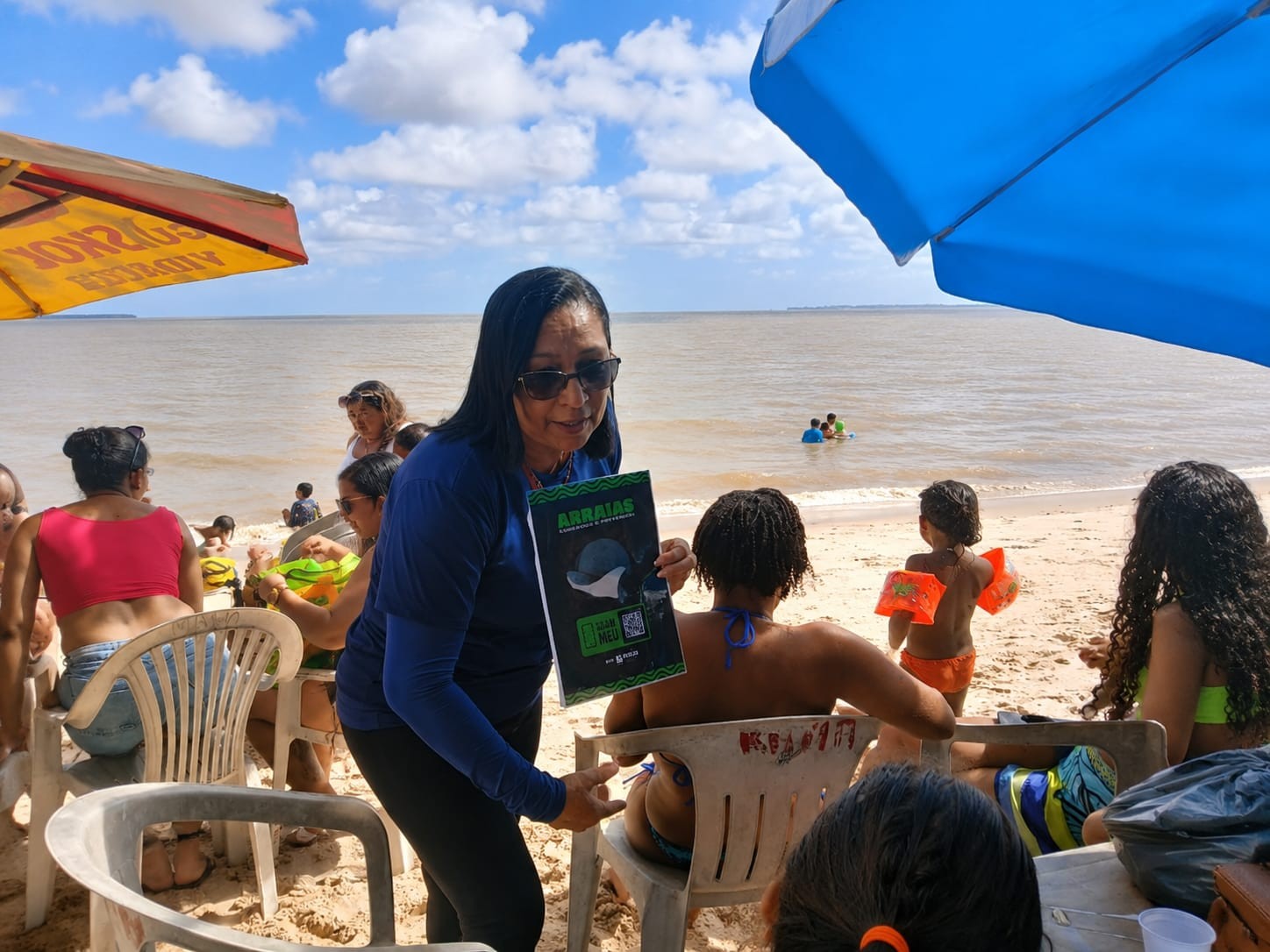
The Municipal Health Secretariat of Belém (Sesma) has issued warnings about stingray encounters as beach activity increases during July holidays. From January to June of this year, Belém recorded 105 stingray envenomations, a significant 133% rise compared to the same period in the previous year. For the entirety of 2025, only 45 such accidents were documented. Stingrays commonly bury themselves partially in shallow, calm waters, leading to accidental encounters when swimmers step on them unknowingly. A veterinarian from the Zoonoses Surveillance Unit (UVZ), Claudio Douglas de Oliveira Guimarães, advises a simple preventative measure: instead of lifting feet while walking into the water, beachgoers should gently drag their feet along the sand. This creates vibrations that alert the stingrays, allowing them to move away naturally and avoid contact. Guimarães also stressed that swimmers should refrain from touching or attempting to capture stingrays, as these animals are not aggressive and attacks are typically defensive reactions. He emphasized the importance of respecting the animals' space and maintaining constant adult supervision for children. High-risk areas include Cotijuba, Mosqueiro (especially Praia do Chapéu Virado), Outeiro, and Praia do Cruzeiro in Icoaraci. In case of a sting, immediate medical attention at the nearest health unit is recommended, avoiding homemade remedies or attempting to remove stingray fragments without professional help to prevent infection and complications.
The reported 133% increase in stingray-related incidents in Belém highlights a potential imbalance between increased human recreational activity in coastal areas and the natural behavior of marine wildlife. This surge, occurring during peak tourist seasons, suggests a need for enhanced public education campaigns that go beyond basic warnings. Future strategies could involve leveraging environmental monitoring data to predict high-risk zones and times, and integrating these insights into municipal beach management protocols. Furthermore, exploring technological solutions for early detection or deterrent systems, while respecting ecological preservation, could offer a proactive approach to mitigating such encounters in the long term. The emphasis on respecting animal space and understanding defensive behaviors is crucial for fostering coexistence between humans and wildlife in shared environments.
AI-generated to prompt reflection — not editorial opinion, not advice, not a statement of fact. How this works.