Stock Market Volatility: Why Even Small Surprises Cause Extreme Reactions
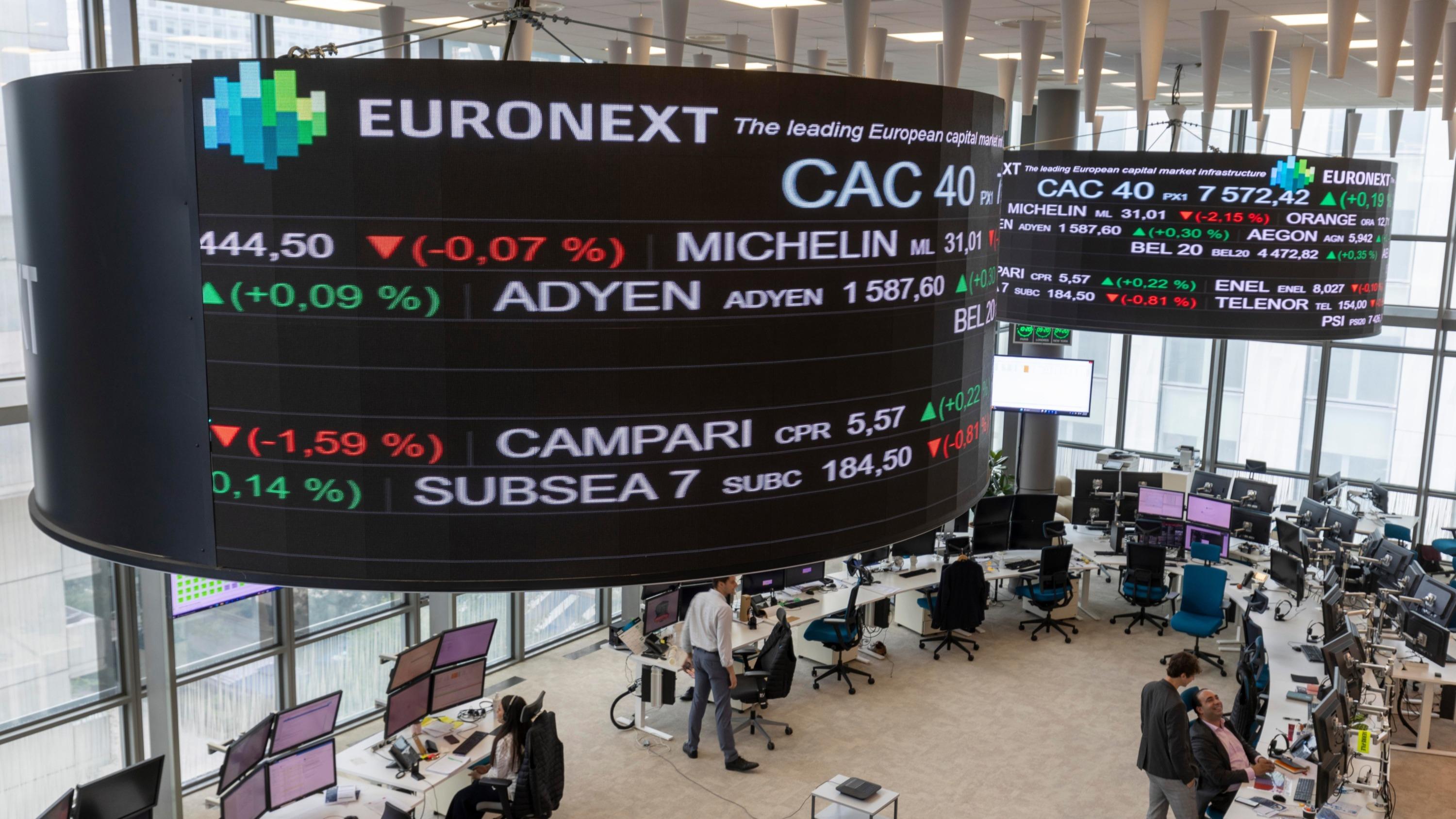
The stock market is currently exhibiting extreme reactions to both positive and negative surprises, with even minor disappointments leading to significant financial repercussions. This phenomenon was particularly evident during the recent release of second-quarter earnings reports. These reports triggered spectacular rallies for some companies and violent plunges for others. The market's sensitivity suggests a heightened state of investor anxiety or a recalibration of expectations. Investors appear to be pricing in a narrow range of outcomes, making any deviation from the anticipated results particularly impactful. This suggests that the current market environment may be characterized by a lack of broad consensus on future performance, leading to amplified price movements when new information emerges. The intensity of these reactions underscores the delicate balance of market sentiment and the significant financial consequences that can arise from seemingly small deviations from expectations.
The amplified volatility in stock market reactions to quarterly earnings suggests a potential disconnect between current valuations and underlying corporate performance. Investors may be operating under heightened uncertainty, leading them to overreact to new information as they seek to rapidly adjust portfolios. This dynamic could be exacerbated by algorithmic trading and the speed of information dissemination, which can create feedback loops of buying or selling pressure. The market's current sensitivity highlights the challenges of accurately forecasting future earnings in a rapidly evolving economic landscape. Investors and analysts will need to refine their predictive models and risk management strategies to navigate this environment, focusing on long-term fundamentals rather than short-term price fluctuations.
AI-generated to prompt reflection — not editorial opinion, not advice, not a statement of fact. How this works.