Stolen Goudstikker painting found by canal, unrecognized for decades
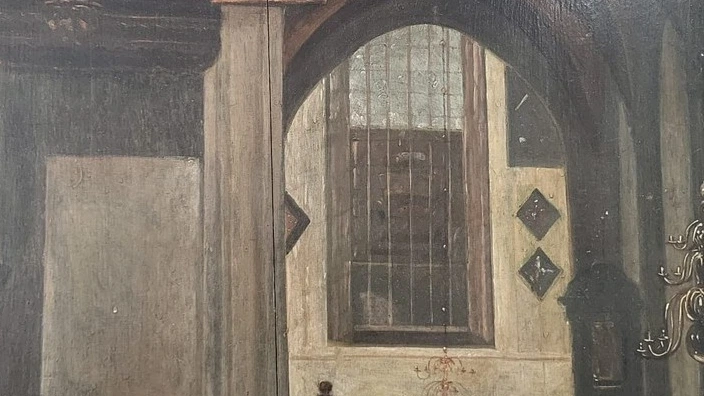
A stolen painting from the collection of art dealer Jacques Goudstikker has been recovered after being found by a canal in Amsterdam. The artwork, a diptych depicting the interior of the Nieuwe Kerk in Amsterdam by Hendrick van der Burgh (1627-1664), was discovered by Amsterdam resident Robert van der Hoek approximately thirty years ago. He found it among a pile of discarded items along the Prinsengracht canal, recognizing it as an old panel but finding the artwork itself unattractive. Despite its appearance, he kept the panel, initially using it to cover a hole in his wall and later storing it in his basement. Van der Hoek was shocked in May of this year when he read in De Telegraaf about a painting from the Goudstikker collection being displayed by a descendant of a Dutch SS member. He noticed a "Collectie Goudstikker" sticker on the back of the painting in his basement, identical to the one described in the newspaper. Jacques Goudstikker, a Jewish art dealer, died during his escape from the Nazis in 1940, and his collection was seized by Hermann Göring. Following the war, Goudstikker's heirs have been attempting to locate the missing artworks. Upon realizing the potential significance of his find, Van der Hoek contacted De Telegraaf, leading to an investigation by journalist John van den Heuvel and art detective Arthur Brand. Brand confirmed the diptych belonged to the Goudstikker collection by referencing a description in Goudstikker's personal inventory. Van der Hoek has agreed to return the painting to Goudstikker's descendants, stating that the story of its recovery is more significant than the artwork itself.
This recovery highlights the enduring legacy of art looted during wartime and the complex, often serendipitous, paths such artifacts can take through private ownership. The narrative underscores the challenges faced by heirs in reclaiming cultural heritage, as well as the critical role of investigative journalism and art detection in facilitating these returns. The decades-long obscurity of the painting, unrecognized by its possessor, demonstrates how historical significance can be obscured by time and lack of provenance awareness. Future provenance tracking and digital cataloging initiatives will be crucial in mitigating such occurrences, ensuring that cultural patrimony is more readily identifiable and returnable to rightful owners, thereby strengthening the integrity of the art market and historical memory.
AI-generated to prompt reflection — not editorial opinion, not advice, not a statement of fact. How this works.