Stone Age Graves May Hold Clues to Ancient Plague
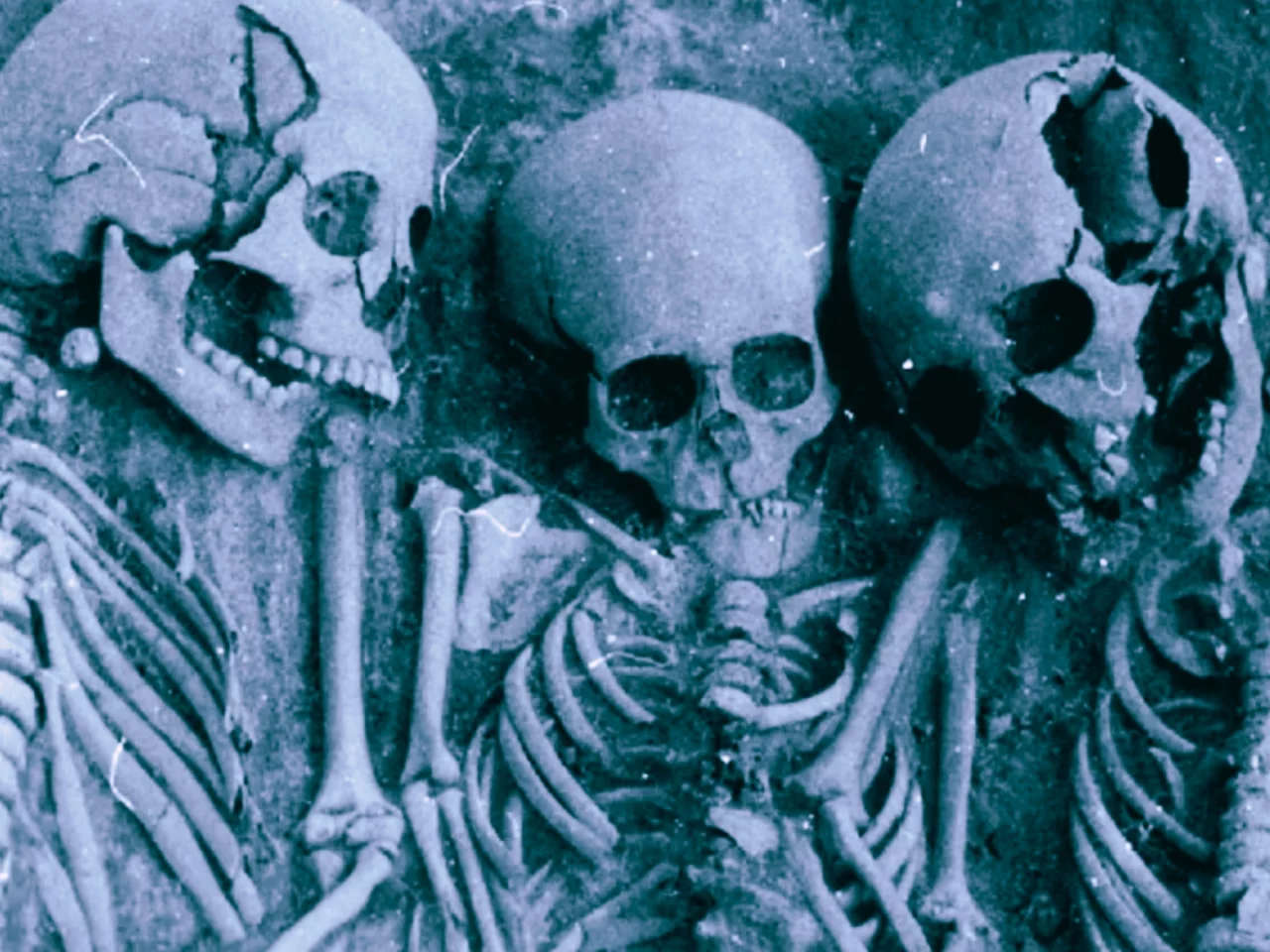
Archaeologists have uncovered puzzling graves that could offer evidence of a devastating plague from the Stone Age. The discovery was made by Ruairí MacLeod of the University of Oxford and Stephen Shennan of UCL. This finding, detailed in The Conversation, falls under the categories of Archaeology and Science. The research potentially links these ancient burial sites to a disease similar to the Black Death, suggesting the presence of a bacterial pathogen. The implications of this discovery could significantly alter our understanding of prehistoric pandemics and their impact on early human populations. Further investigation into the skeletal remains and surrounding context is crucial to confirm the nature and scale of this potential Stone Age epidemic. This research highlights the ongoing potential for archaeological finds to reveal new information about ancient diseases and human history.
The discovery of potentially plague-ridden Stone Age graves prompts a re-evaluation of early human vulnerability to infectious diseases. This finding underscores the long-standing co-evolutionary relationship between humans and pathogens, suggesting that pandemics may have played a significant role in shaping prehistoric societies, influencing population dynamics, migration, and social structures. Understanding the prevalence and impact of such ancient diseases can provide valuable context for contemporary public health challenges, offering insights into the resilience and adaptive strategies of human populations over millennia. The analysis of these graves could illuminate the development of early human responses to widespread illness, potentially including rudimentary forms of public health measures or societal adaptations.
AI-generated to prompt reflection — not editorial opinion, not advice, not a statement of fact. How this works.