Stonehenge 'Shaman' Was a Woman, DNA Reveals
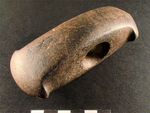
Genetic analysis of 4,000-year-old remains from Stonehenge has overturned a long-held assumption about a prominent individual. Previously believed to be a male shaman, DNA evidence conclusively shows the person was female. This discovery challenges a 200-year-old theory regarding the individual's identity and role. The findings suggest this woman was not only of high status but likely a skilled craftsperson, specifically a goldsmith. The burial site, dating back to the Bronze Age, contained the remains that yielded this surprising genetic information. The re-evaluation of this individual's identity offers new insights into the social structures and specialized roles within Bronze Age societies. It highlights the importance of scientific advancements, such as ancient DNA analysis, in correcting historical interpretations. The unearthed genetic data provides a tangible link to the past, reshaping our understanding of ancient professions and gender roles.
The re-examination of the Stonehenge burial through ancient DNA analysis demonstrates the power of scientific methodology to revise historical narratives. This finding prompts a re-evaluation of societal roles and potential gender biases in past interpretations of archaeological evidence. The identification of a high-status female goldsmith suggests that Bronze Age societies may have offered greater opportunities for women in specialized crafts and leadership than previously assumed. Future research could explore whether this was an isolated case or indicative of broader patterns of female empowerment and economic contribution in prehistoric Europe. Understanding these dynamics is crucial for a more nuanced comprehension of historical gender roles and social stratification.
AI-generated to prompt reflection — not editorial opinion, not advice, not a statement of fact. How this works.