Storm damages BYD dealership in Rio Grande do Sul, South Brazil, hitting electric cars
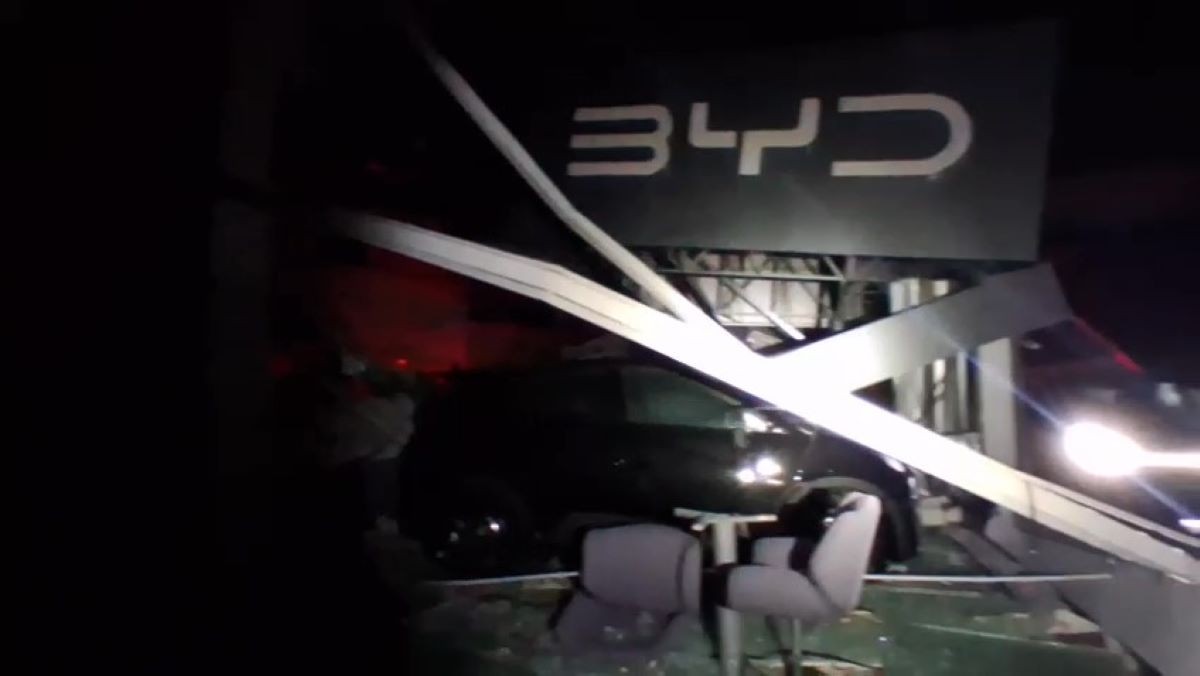
A severe storm with heavy rain and strong winds struck Osório, in the North Coast region of Rio Grande do Sul, Brazil, on Monday evening, May 27th, causing widespread damage. A significant portion of the BYD car dealership's structure collapsed, falling onto electric vehicles parked at the site. The dealership is operated by Grupo Via Porto, but they had not responded to inquiries regarding the number of cars damaged or the extent of the financial loss by the time of reporting.
Beyond the dealership incident, the storm caused roofs to be torn off, trees to be uprooted, and power poles to fall across various parts of Osório, according to the city's prefecture. Emergency services, including the Fire Department, Civil Defense, and CEEE Equatorial, are actively responding to the numerous incidents. The Glória, Albatroz, Medianeira, and Caravágio neighborhoods were identified as the most severely affected areas, with power outages reported in some sections. The presence of energized power poles among those that fell poses a significant risk to residents, prompting authorities to advise against unnecessary travel.
The local government has distributed tarpaulins for emergency home repairs and prepared the Rutílio Kestering Municipal Gymnasium to shelter displaced residents. As of early evening, at least seven individuals were housed at the gymnasium due to damage to their homes. Ongoing efforts are focused on clearing roads, restoring the electrical grid, and providing support to affected residents.
This event highlights the vulnerability of modern infrastructure and assets, including electric vehicles, to extreme weather phenomena exacerbated by climate change. The collapse of a dealership structure underscores the need for robust building codes and climate resilience planning in commercial developments, particularly for high-value inventory. The response from emergency services and the municipality demonstrates established disaster management protocols, yet the extended power outages and risks from fallen utility poles indicate systemic challenges in rapid infrastructure repair and public safety communication during widespread events. Future planning should consider the increasing frequency and intensity of such storms, necessitating proactive measures in supply chain logistics, energy grid hardening, and community preparedness to mitigate economic losses and ensure public safety.
AI-generated to prompt reflection — not editorial opinion, not advice, not a statement of fact. How this works.