Storms Cause Track Closures Due to Fallen Trees
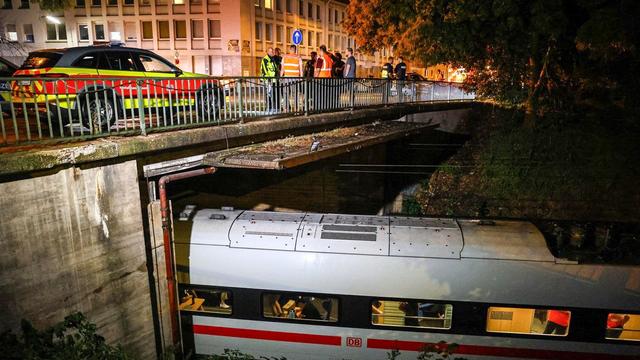
Severe weather has led to significant disruptions on railway lines, with fallen trees blocking tracks and forcing service cancellations. The extent of the damage is still being assessed, but initial reports indicate widespread impact across several regions. Emergency crews are working to clear the debris and restore normal operations as quickly as possible. Passengers are advised to check for updates on train schedules and alternative travel arrangements. The timing of the disruptions, occurring during a period of high travel demand, has exacerbated the inconvenience for many commuters and travelers. Authorities are urging caution when traveling in affected areas due to the ongoing risks posed by unstable trees and debris. The long-term impact on infrastructure is yet to be determined, with potential for further delays as inspections and repairs are conducted. The incident highlights the vulnerability of transportation networks to extreme weather events.
The recent storm-induced track closures underscore the critical need for robust infrastructure resilience against increasingly frequent and severe weather events. As climate patterns shift, transportation networks face escalating risks from natural phenomena, necessitating proactive adaptation strategies. Investments in advanced weather monitoring, predictive modeling, and rapid response protocols are crucial for mitigating future disruptions. Furthermore, a review of vegetation management practices along rail corridors may be warranted to enhance safety and minimize the impact of fallen trees. This event serves as a salient reminder of the interconnectedness between environmental conditions and the operational integrity of essential public services, prompting a re-evaluation of long-term planning to incorporate climate-related contingencies.
AI-generated to prompt reflection — not editorial opinion, not advice, not a statement of fact. How this works.
